





News


 电商部
电商部  2026-01-29 12:04:48
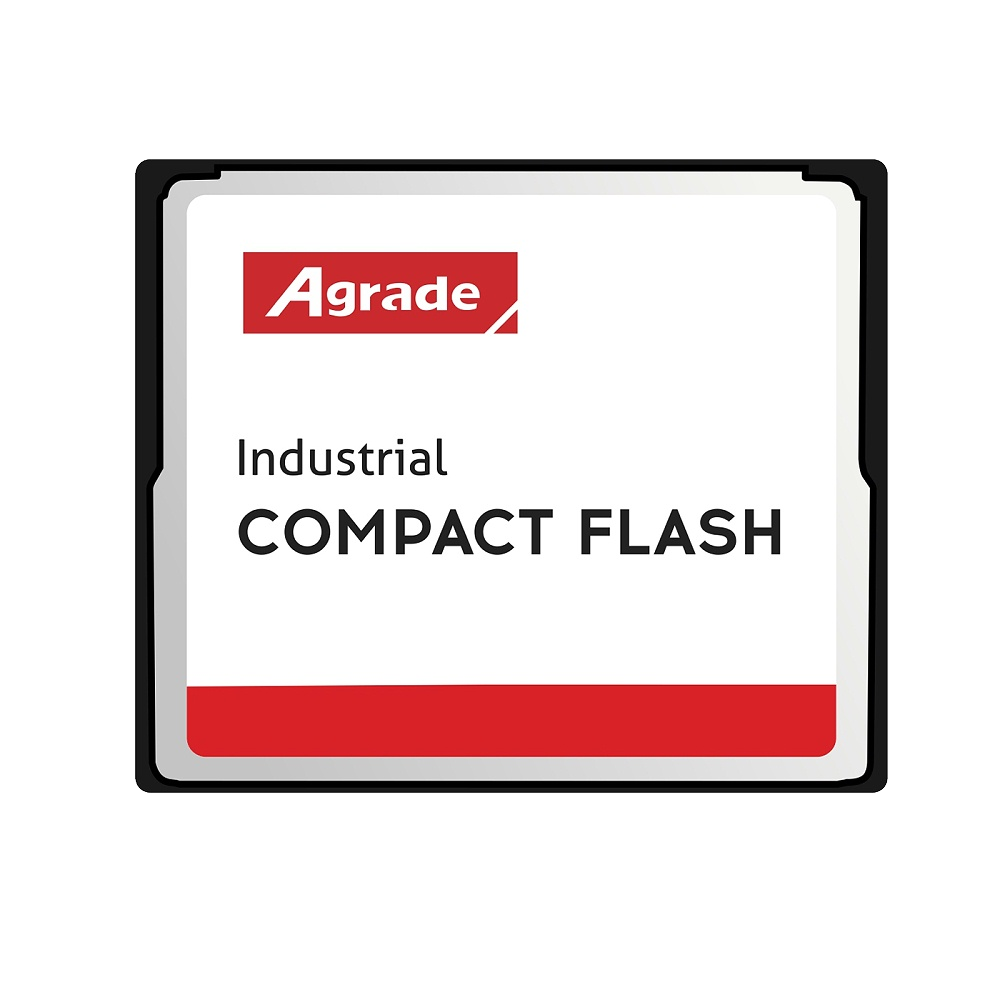
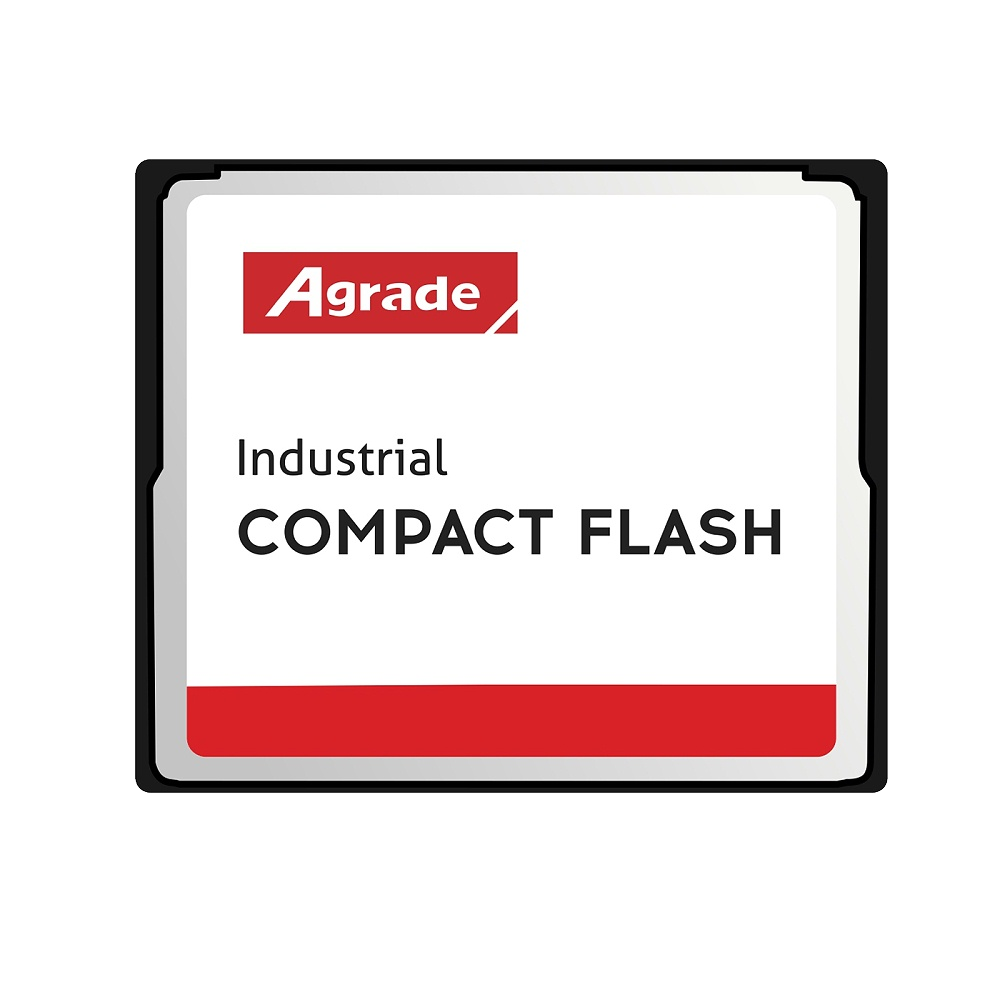
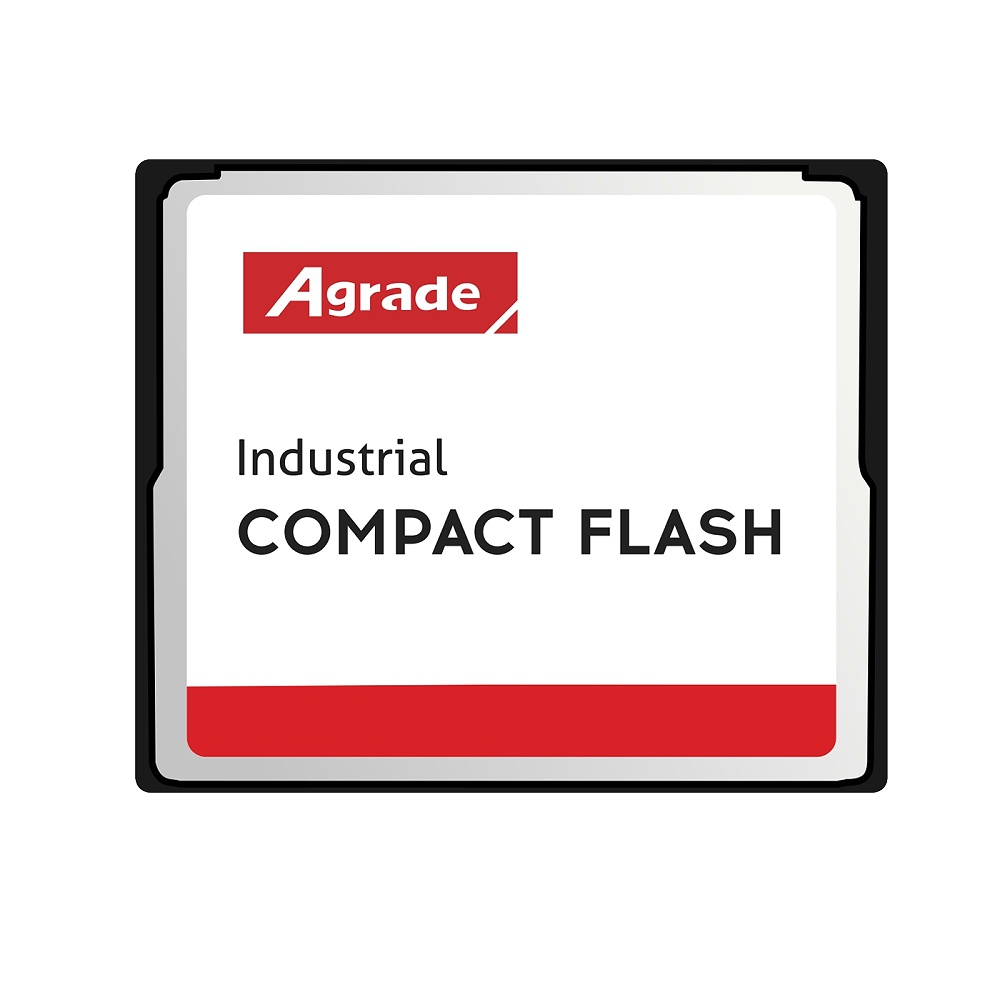
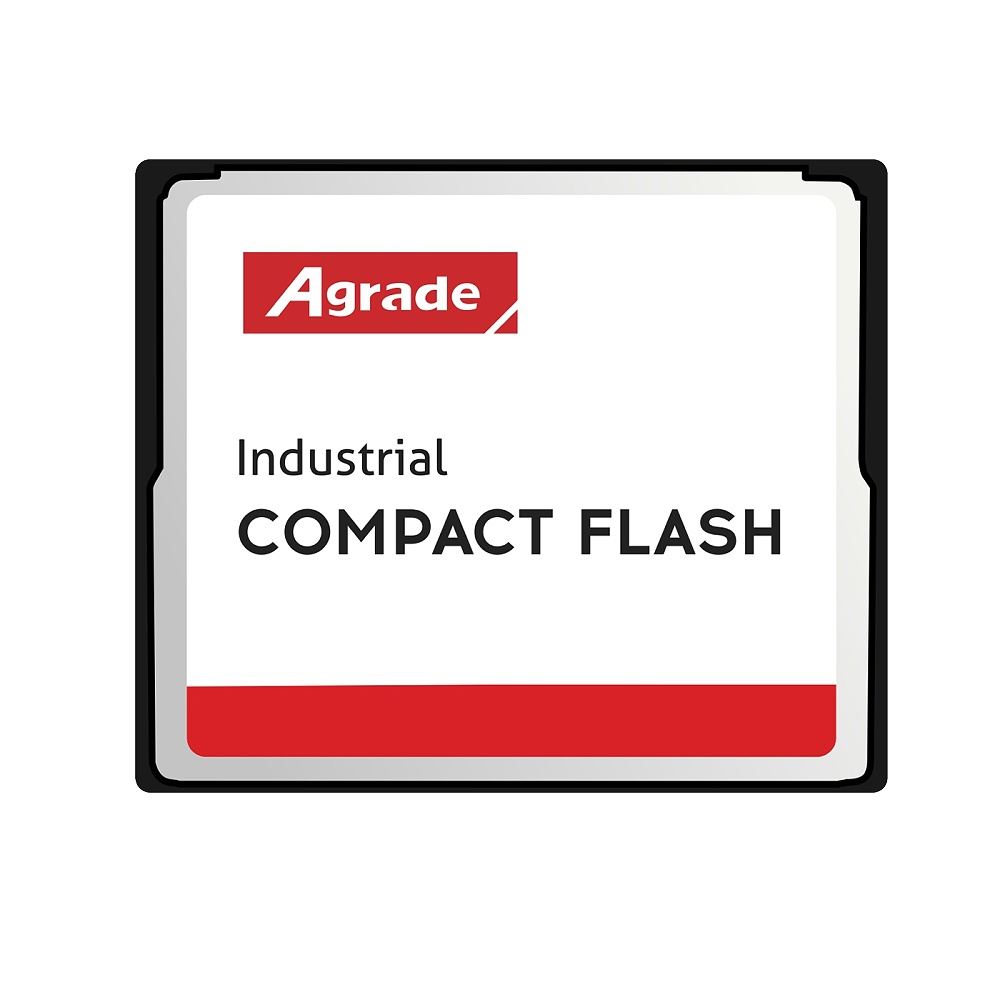
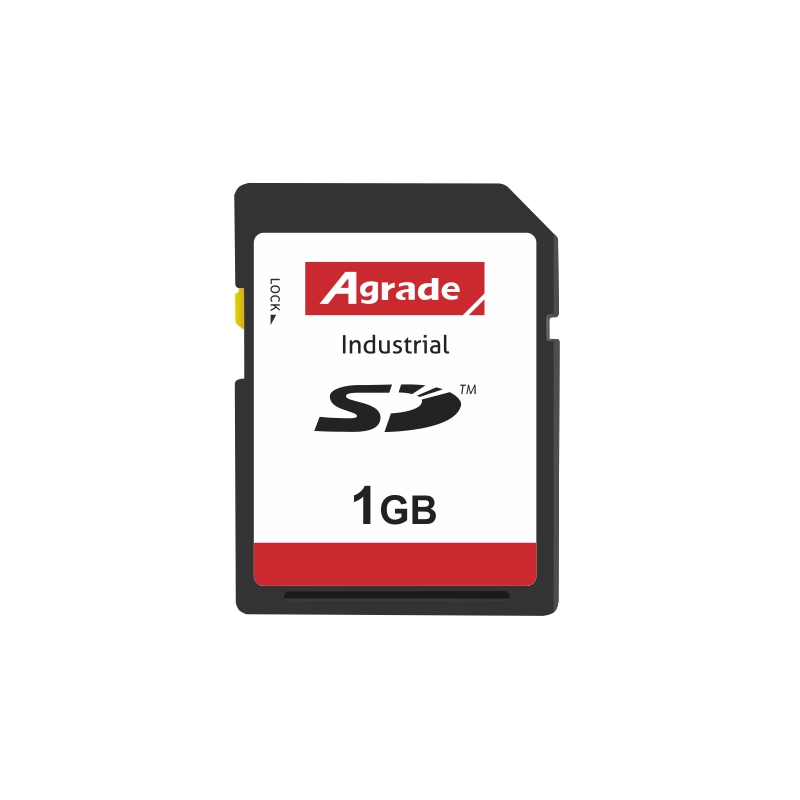
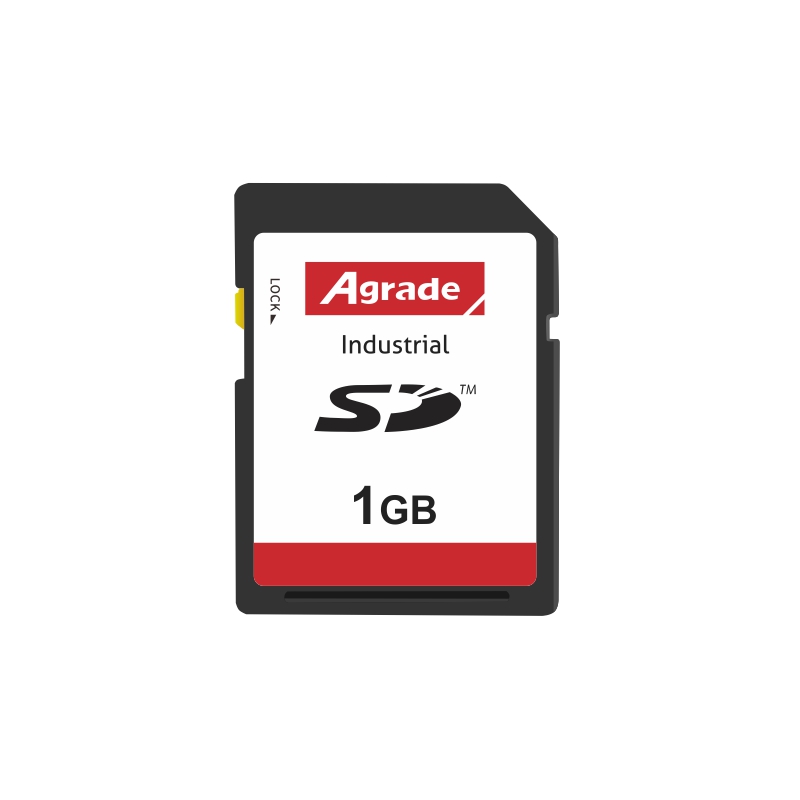
 Wide-temperature SD Card Selection Guide: Avoid Fake Industrial-grade Products
In industrial scenarios, wide-temperature SD cards directly affect equipment operation and data security. Choosing inferior products may cause production line shutdowns and huge economic losses. Currently, some manufacturers falsely label regular SD cards as "industrial-grade" or "wide-temperature" for profit, making it essential to focus on key parameters to avoid traps and select products suitable for actual environments.
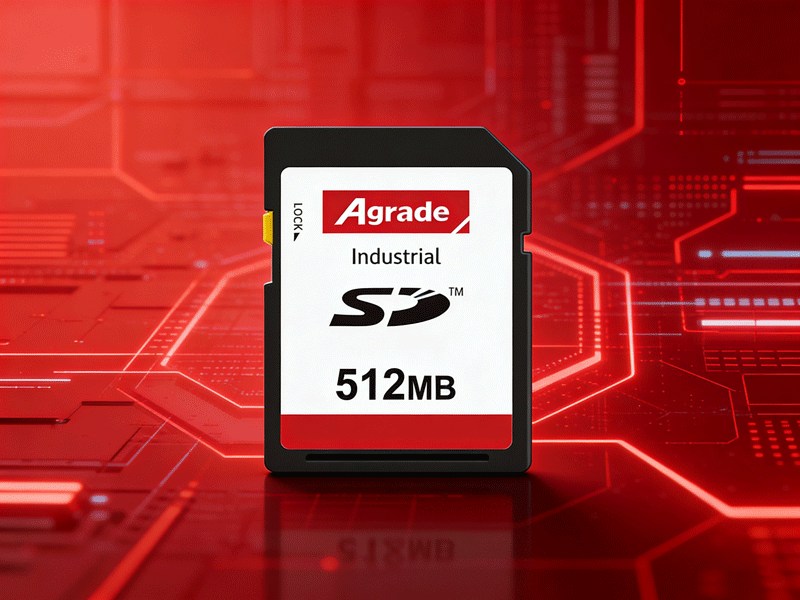
Temperature parameters are the primary consideration. Different scenarios have significant temperature differences: outdoor rail transit and plateau base stations may reach -40°C in winter, while smelting workshops may exceed 80°C in summer. It is crucial to confirm the wide-temperature SD card's operating and storage temperature ranges and require authoritative test reports from manufacturers, rejecting products labeled "wide-temperature" without specific data. Flash particle type and lifespan indicators determine durability.
Industrial high-frequency read-write scenarios require SLC or pSLC particles with a write cycle life of ≥20,000 times and data retention of ≥10 years. TLC particles are only suitable for low-frequency scenarios. The MTBF (Mean Time Between Failures) parameter is also important; unattended industrial scenarios require MTBF ≥3 million hours to ensure long-term stable operation. Additional protection functions should be selected based on needs.
Power-off protection prevents data loss from sudden power outages, suitable for PLC controllers and CNC machines. ECC error correction of ≥8 bits/512 bytes enhances data integrity. Vibration-intensive scenarios require chip-on-board packaging to avoid contact failure. Finally, verify certifications such as UL/CE/ISO and choose brands with localized technical support to ensure timely solutions to post-purchase issues.

-
Products
Advantages
-
Solutions
-
News
About us
-
Contact us
Tel:+86 19926658803
Whatsapp:+86 19926658803
lianle1210@163.com
Address: 30CF, Caihong Building, Caihong Road, Futian District, Shenzhen City, Guangdong Province, China



Friendly Links:
