















































News


 电商部
电商部  2026-03-05 16:43:05
 What Is Wide Temperature M.2? A Complete Industrial Storage Guide
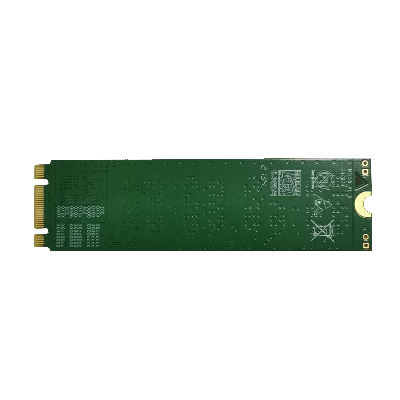
Wide temperature M.2 SSDs are specialized solid-state drives designed to operate reliably in extreme environmental conditions. Unlike commercial M.2 drives that work between 0°C and 70°C, industrial wide temperature M.2 modules support a range of -40°C to 85°C. This makes them suitable for outdoor, embedded, automotive, and industrial systems that cannot afford downtime or data loss.

These drives use high-quality industrial components, including wide-temperature controllers, NAND flash chips, and capacitors. Every part is rigorously tested to ensure stability under thermal stress, vibration, and humidity. Regular consumer-grade M.2 SSDs often slow down, disconnect, or fail in high-temperature factories or frigid outdoor locations. Wide temperature M.2 solves these problems by maintaining consistent performance across extreme temperatures.
Another key feature is long-term durability. Most industrial wide temperature M.2 SSDs offer high TBW (Total Bytes Written) and extended MTBF (Mean Time Between Failures). They also support advanced data protection technologies such as ECC, LDPC error correction, and power-loss protection. These features prevent data corruption and ensure stable 24/7 operation.
If you are building embedded systems, IoT devices, or industrial automation equipment, choosing a genuine wide temperature M.2 drive is essential. It reduces maintenance costs, improves system stability, and extends the service life of the entire device. Understanding the basics of wide temperature M.2 helps engineers and buyers make smarter storage decisions.

-
Products
Advantages
-
Solutions
-
News
About us
-
Contact us
Tel:+86 19926658803
Whatsapp:+86 19926658803
lianle1210@163.com
Address: 30CF, Caihong Building, Caihong Road, Futian District, Shenzhen City, Guangdong Province, China



Friendly Links:
