


























News


 电商部
电商部  2026-03-05 16:43:59
 Wide Temperature M.2 vs. Commercial M.2: What Are the Key Differences?
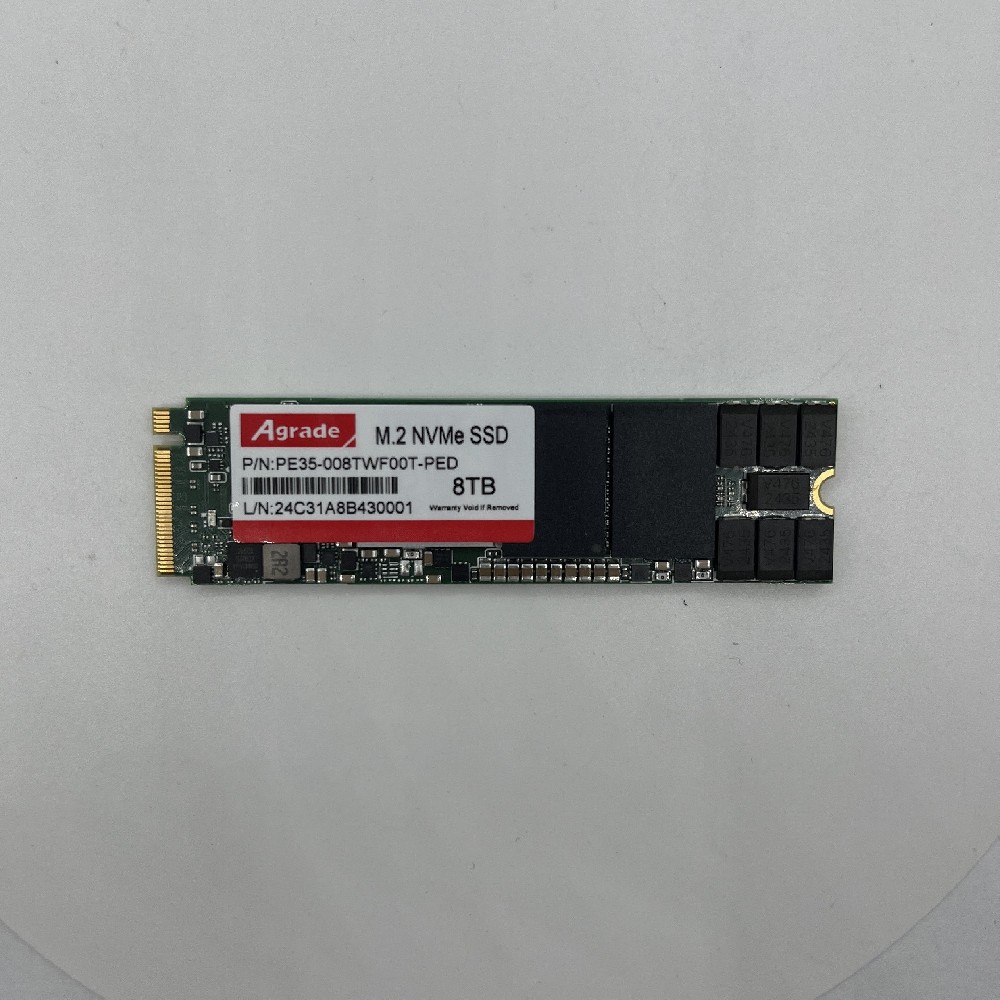
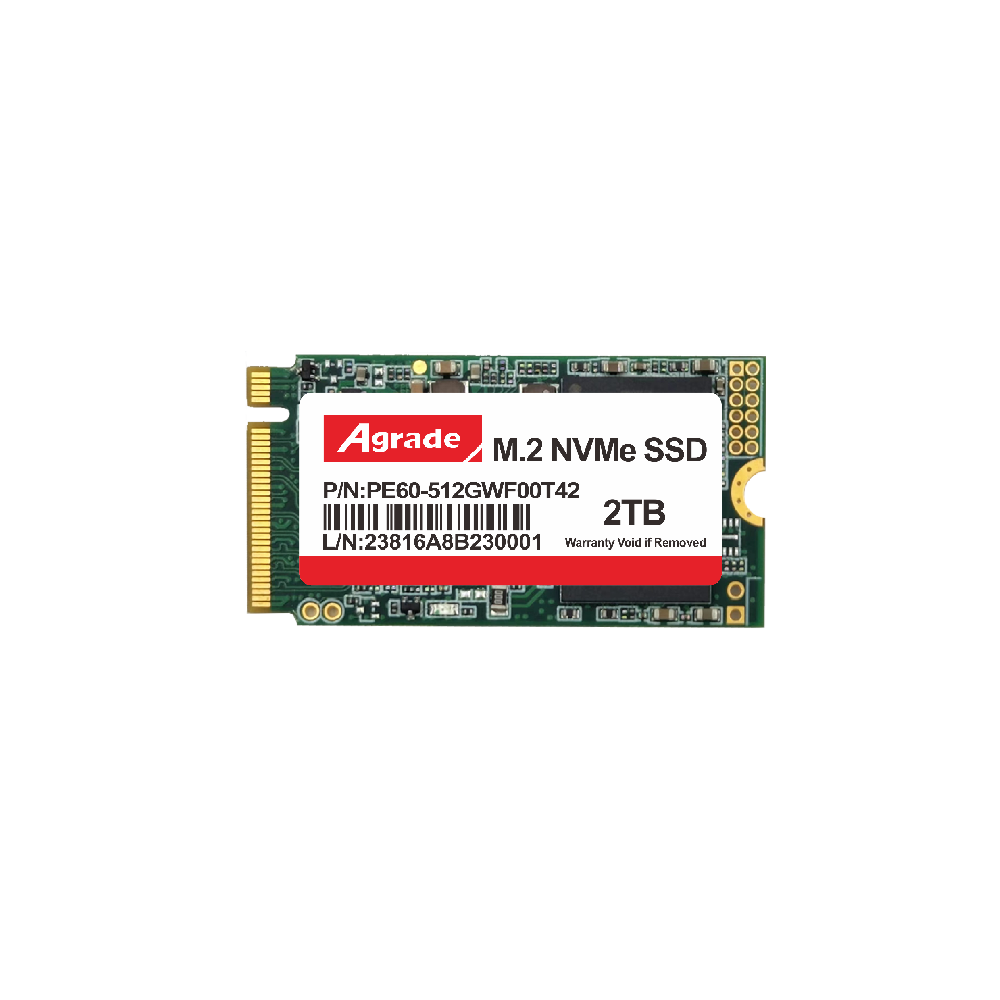
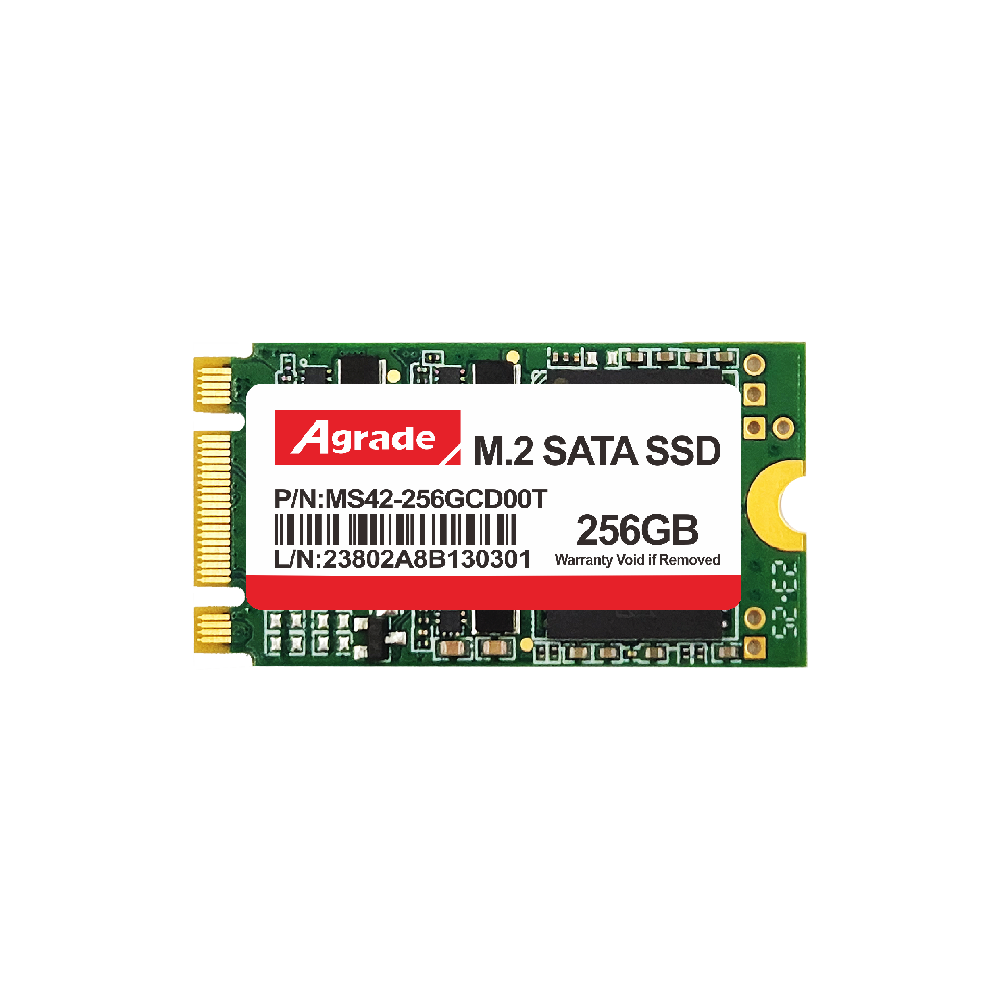
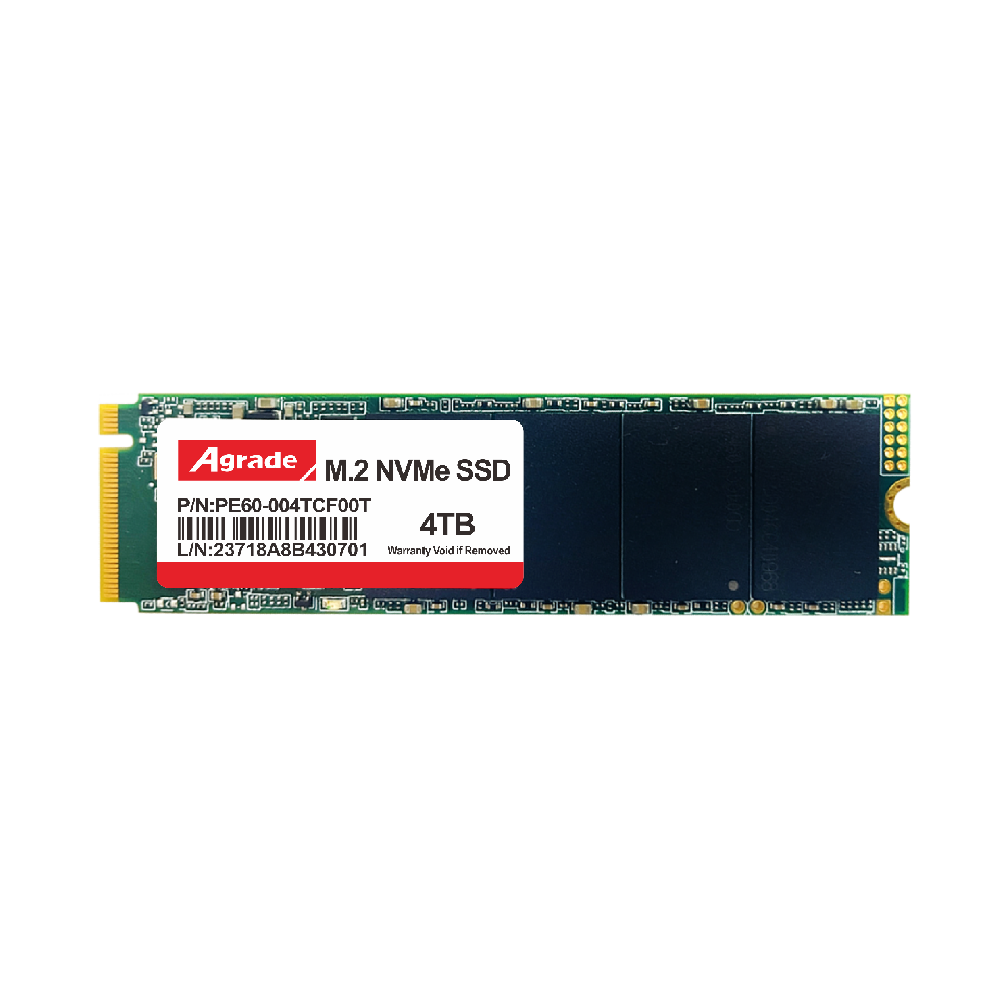
Many users struggle to choose between wide temperature M.2 and standard commercial M.2 SSDs. The biggest difference lies in temperature resistance. Commercial M.2 drives work in mild environments, while wide temperature models function in -40°C to 85°C. This expansion of range allows them to survive in harsh environments where regular drives cannot.
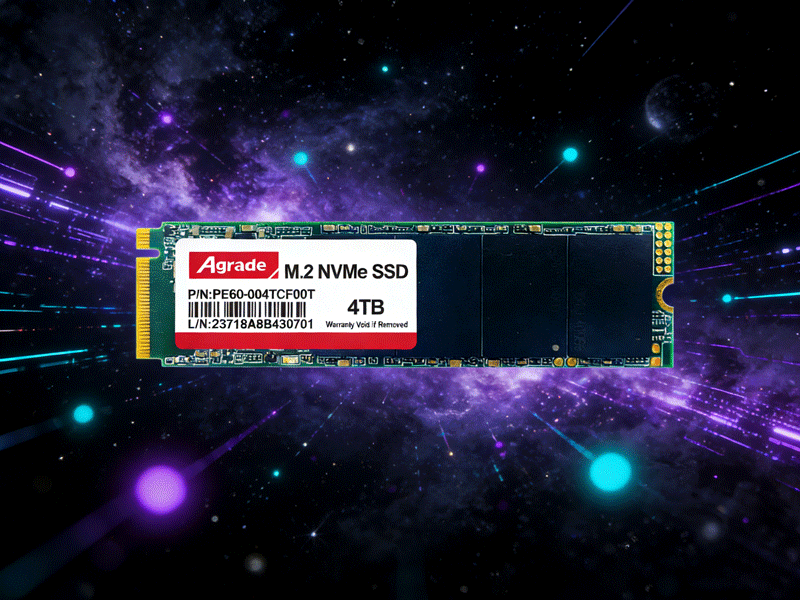
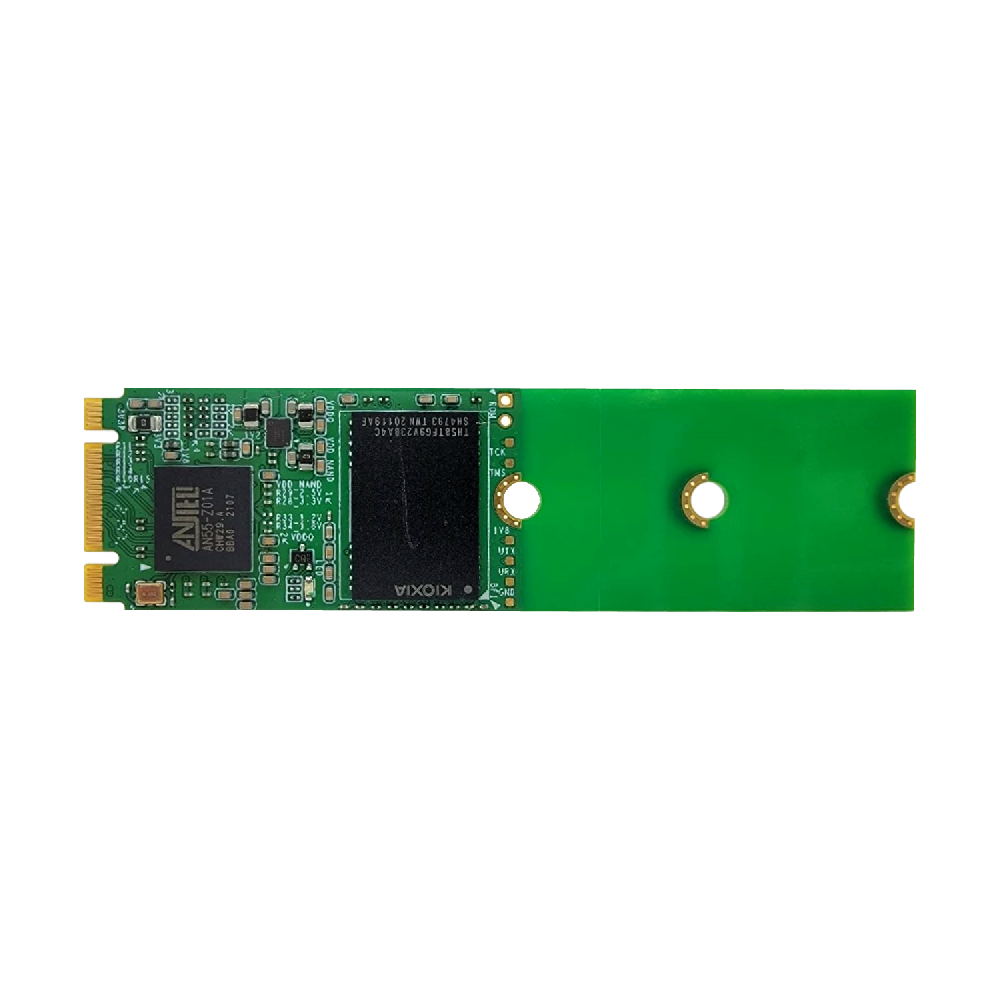
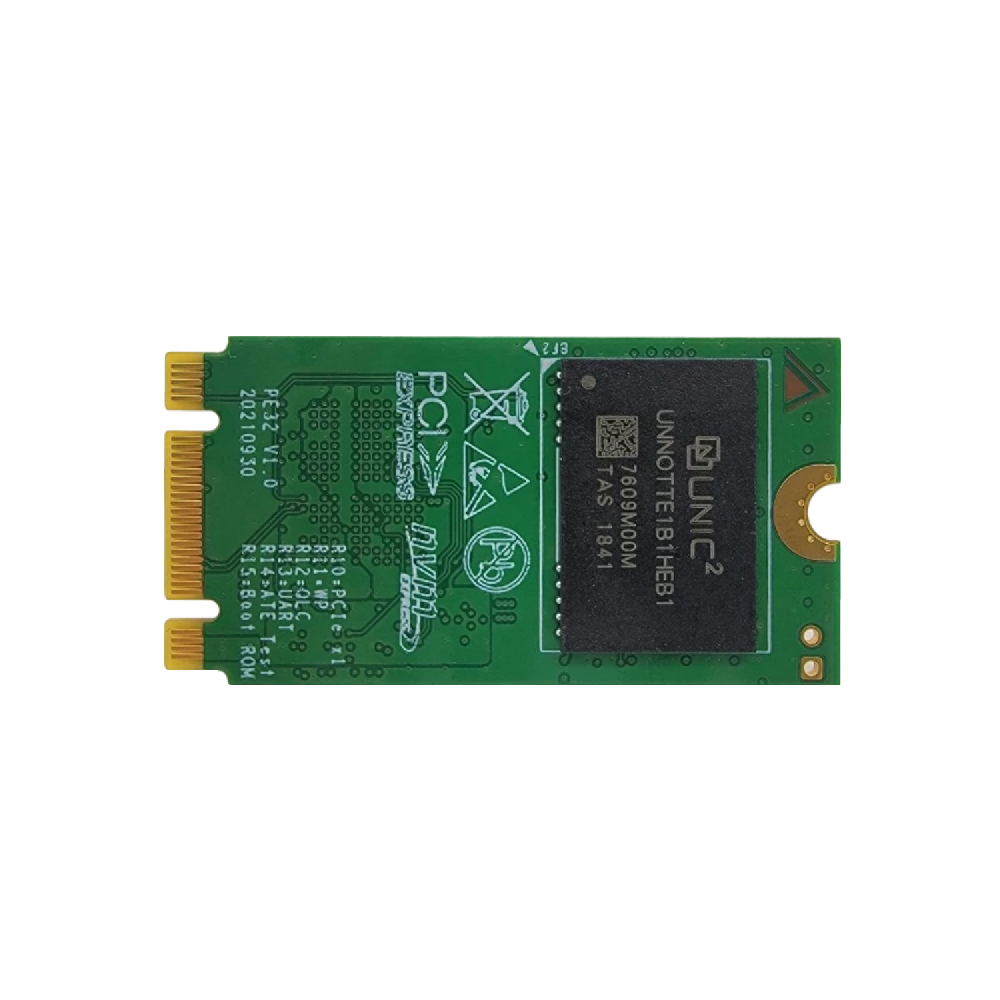
Hardware quality is another major distinction. Wide temperature M.2 uses industrial-grade NAND flash, enhanced PCBs, and anti-vibration structures. Consumer drives use commercial-grade components optimized for cost and speed, not durability. Wide temperature drives also feature better resistance to humidity, dust, and mechanical shock, which is critical in industrial and vehicle applications.
Performance stability also varies greatly. Commercial M.2 drives often throttle performance when overheating. Wide temperature M.2 uses intelligent thermal control firmware to maintain steady read and write speeds without throttling. This reliability is vital for applications like surveillance storage, vehicle computers, and outdoor communication equipment.
Application scenarios further separate the two types. Home PCs, office laptops, and regular servers work well with commercial M.2. Industrial control, automotive, railway, smart city, and outdoor IoT systems require wide temperature M.2. Choosing the right type based on environment and usage prevents unexpected failures and improves overall system reliability.

-
Products
Advantages
-
Solutions
-
News
About us
-
Contact us
Tel:+86 19926658803
Whatsapp:+86 19926658803
lianle1210@163.com
Address: 30CF, Caihong Building, Caihong Road, Futian District, Shenzhen City, Guangdong Province, China



Friendly Links:
