









News


 电商部
电商部  2026-02-06 18:34:54
 Wide Temperature DDR4 vs Wide Temperature DDR5: Which One Should You Choose?
With the popularization of DDR5 technology, Wide Temperature DDR5 has gradually entered the industrial market, forming a complementary pattern with Wide Temperature DDR4. Many purchasers and engineers will fall into the confusion of "how to choose between Wide Temperature DDR4 and Wide Temperature DDR5" when selecting. There are obvious differences between the two in terms of performance, power consumption, compatibility, and cost, and they are suitable for different scenarios. This article will comprehensively compare Wide Temperature DDR4 and Wide Temperature DDR5, analyze their advantages and disadvantages, helping you select accurately according to the scenario requirements and achieve the optimal balance between cost performance and reliability.
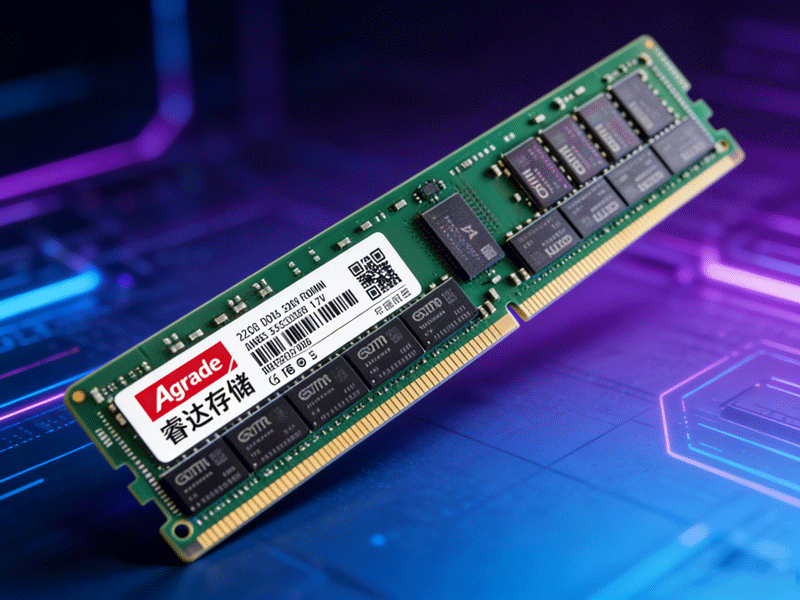
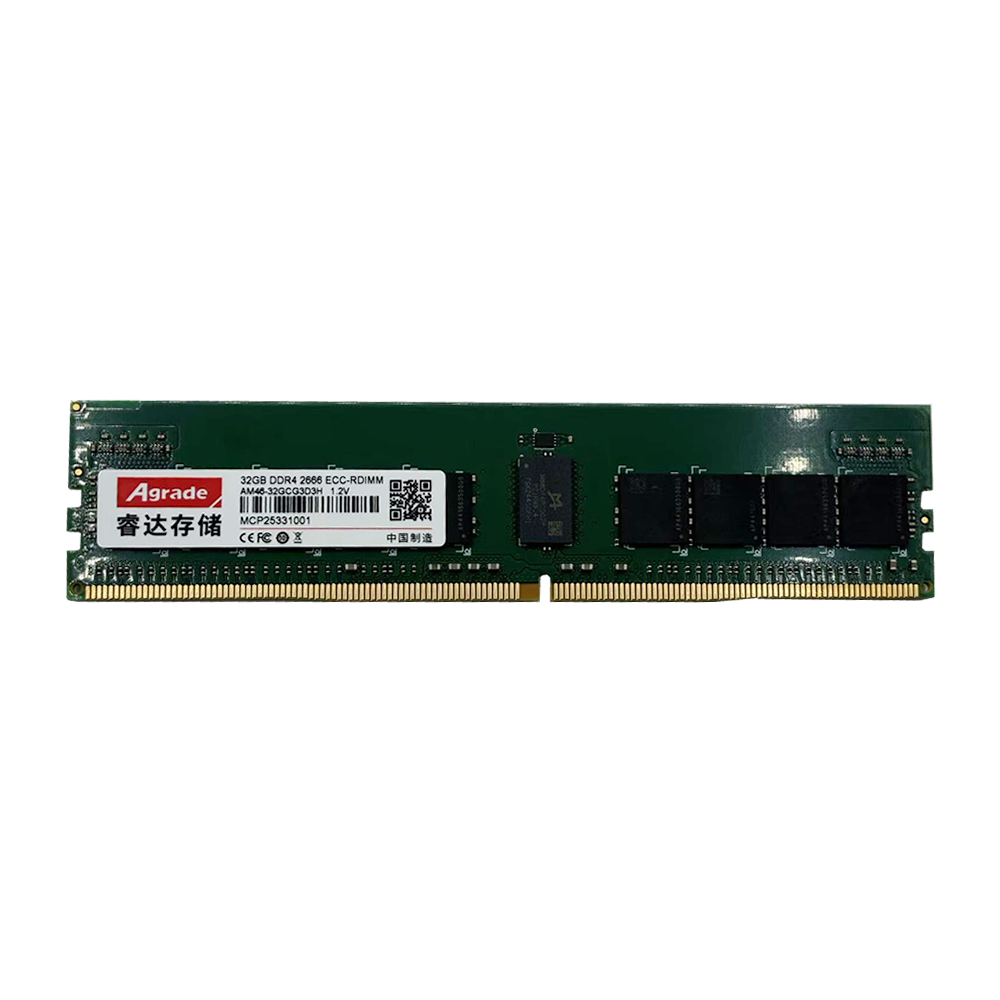
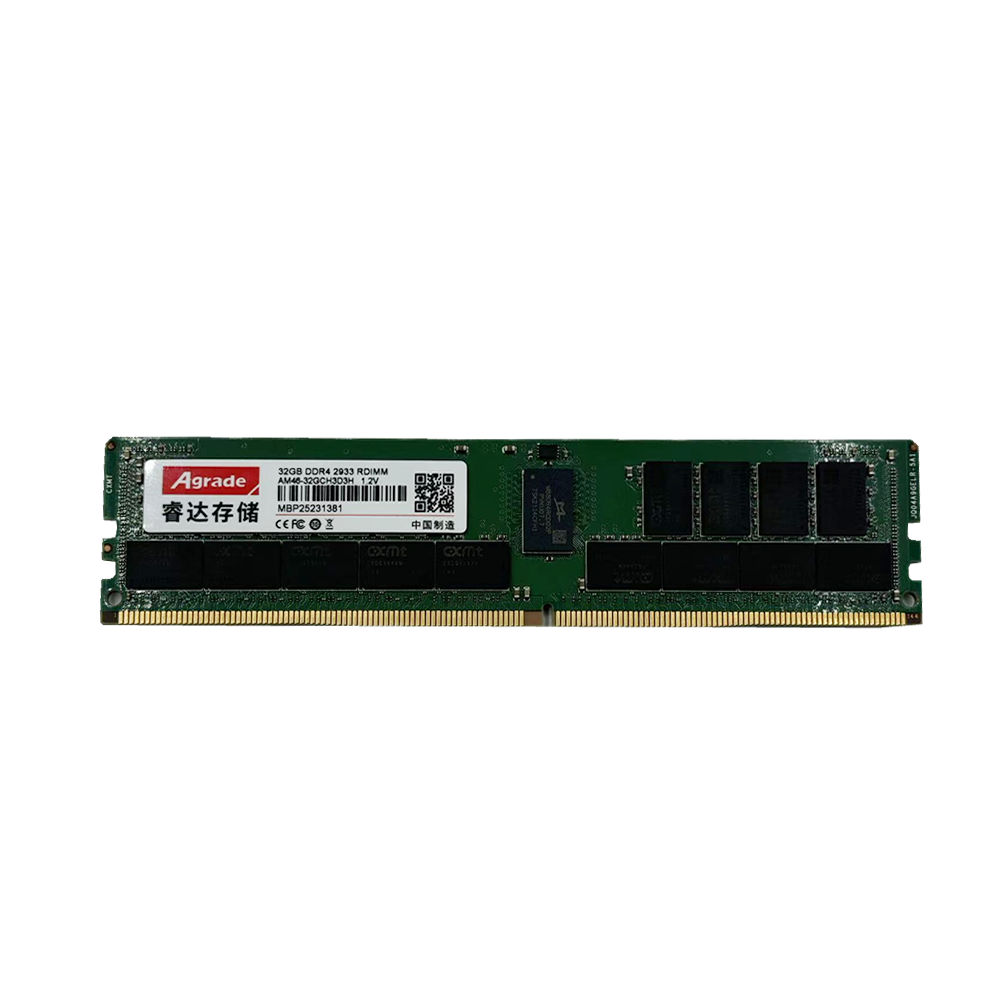
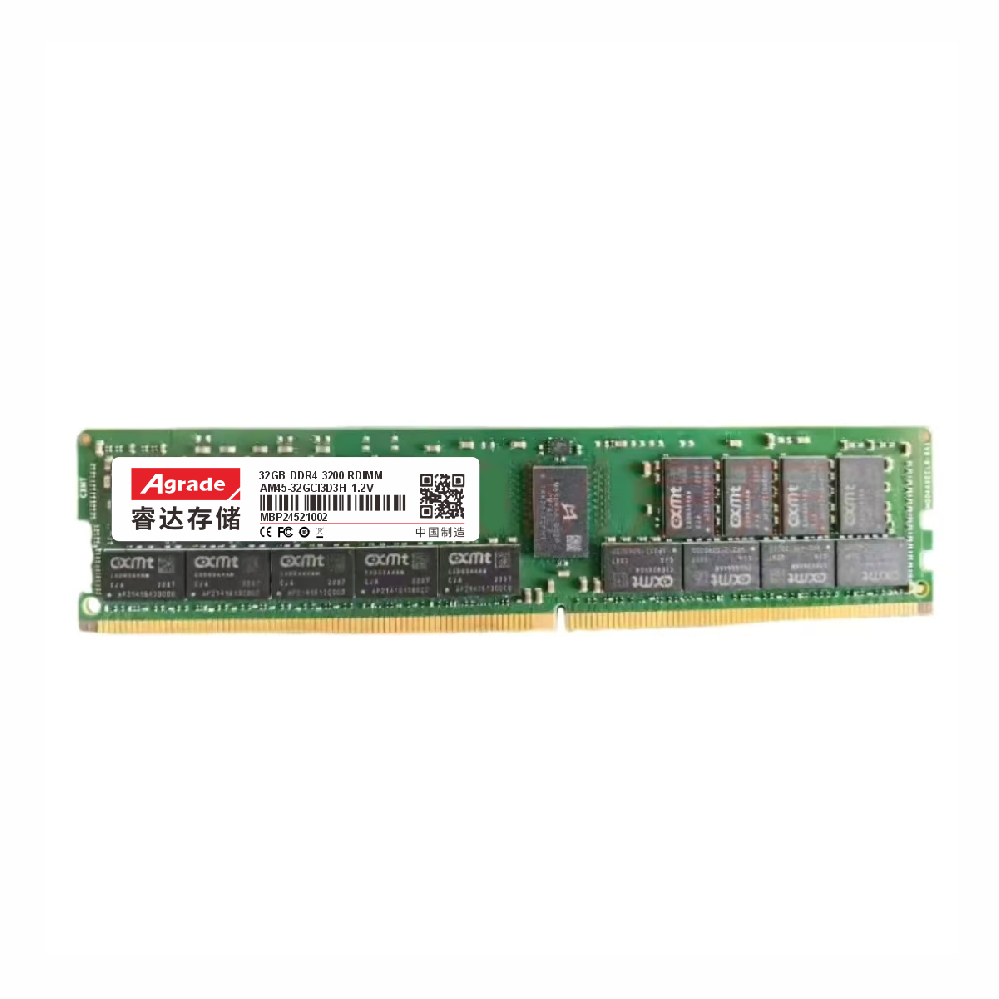
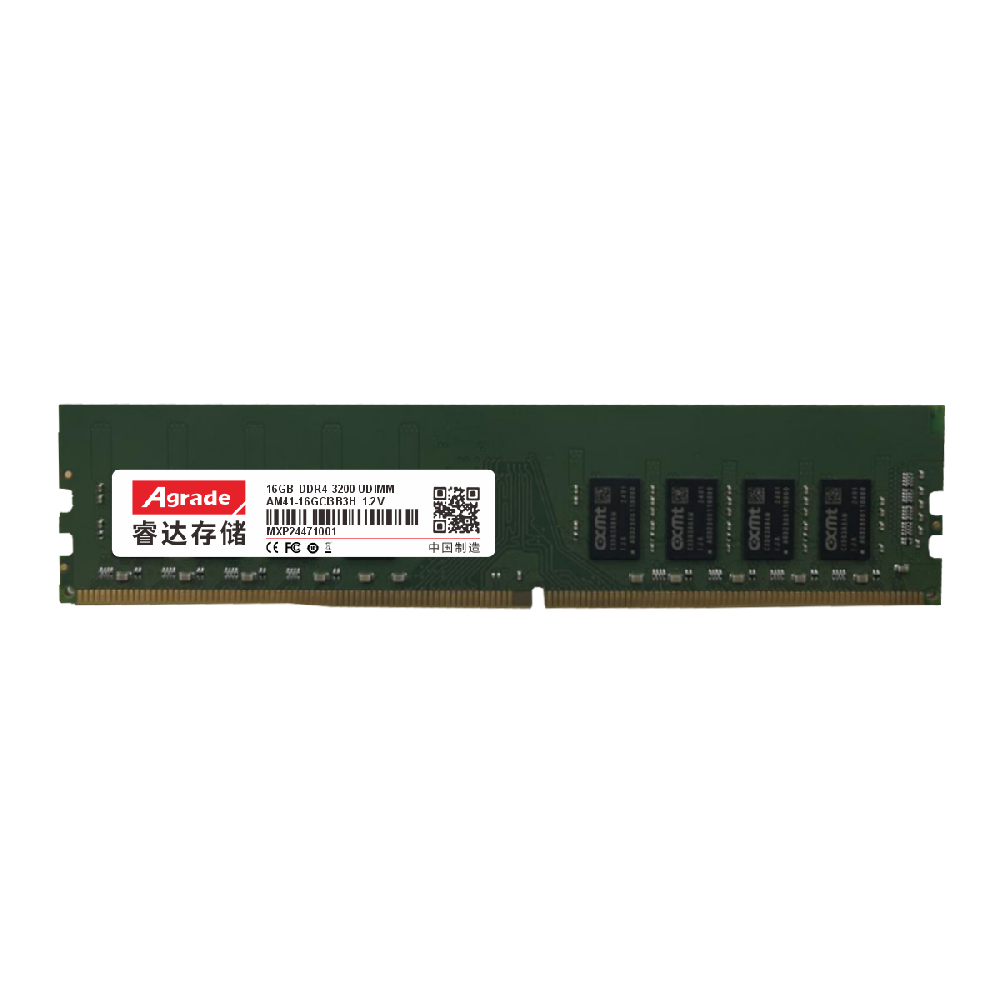
In terms of performance, there is a significant gap between the two. The mainstream frequency of Wide Temperature DDR4 is 2133MHz to 3200MHz, with a moderate data transmission rate, which can meet the real-time data caching needs of most industrial scenarios, such as industrial controllers, outdoor base stations, and ordinary industrial computers. It has excellent timing stability, and there is little performance degradation in extreme temperature environments. The technology is mature and stable, and there are few compatibility problems in practical applications. It has been widely used in the industrial market and has a high market share.
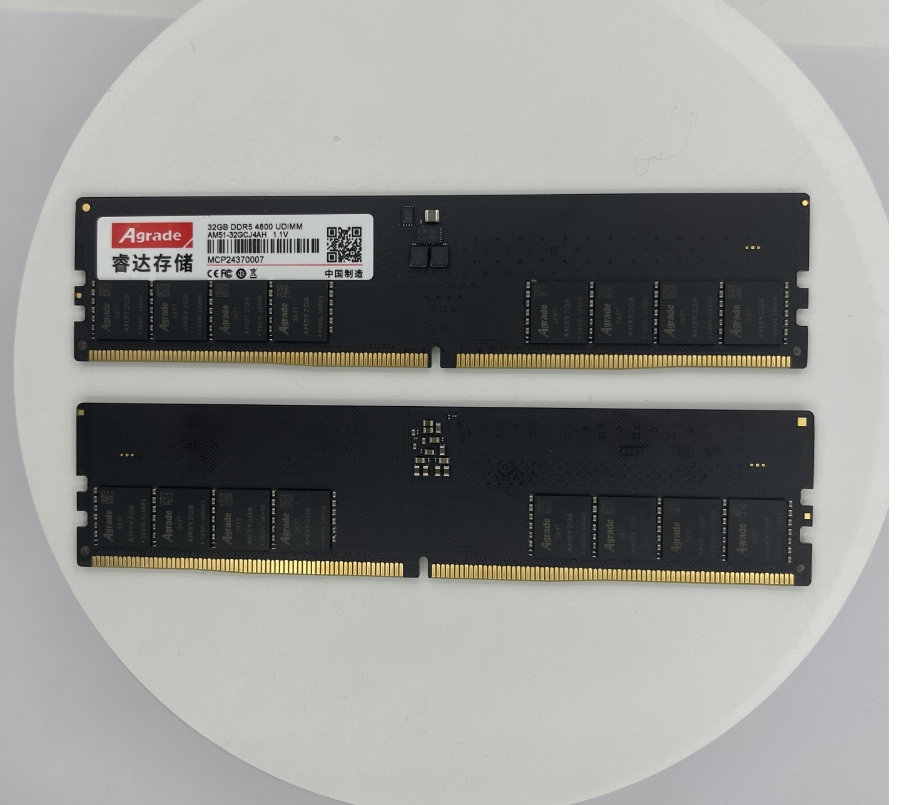
In contrast, the frequency of Wide Temperature DDR5 can reach 4800MHz to 6400MHz, and some high-end products can even reach 8400MHz. Its data throughput is more than 50% higher than that of Wide Temperature DDR4, which can transmit and process a large amount of data faster. At the same time, Wide Temperature DDR5 has a built-in 32 Bank grouping scheduling function, which can improve the concurrent processing efficiency of data, making it suitable for high-end edge servers, automatic driving controllers, AI edge computing equipment, and other scenarios that need to process massive amounts of real-time data. However, in extreme temperature environments, the performance degradation of Wide Temperature DDR5 is slightly more obvious than that of Wide Temperature DDR4, and its timing stability needs to be further optimized.
In terms of power consumption and compatibility, Wide Temperature DDR4 has more advantages. The operating voltage of Wide Temperature DDR4 is 1.2V, which is 20% more energy-efficient than DDR3. It has mature technology and strong compatibility, and can adapt to most old industrial motherboards. There is no need to carry out large-scale upgrades to the equipment, which can save upgrade costs and has outstanding cost performance. For enterprises that use old industrial equipment and do not have high requirements for memory performance, Wide Temperature DDR4 is a more suitable choice.
The operating voltage of Wide Temperature DDR5 is reduced to 1.1V, which is 8% more energy-efficient than Wide Temperature DDR4. It has better energy-saving performance and is suitable for power-sensitive industrial equipment, such as outdoor portable industrial control equipment and new energy vehicle on-board electronic equipment. However, Wide Temperature DDR5 has high technical thresholds and poor compatibility. It can only adapt to new industrial motherboards that support DDR5, and old equipment cannot be compatible. If you want to use Wide Temperature DDR5, you need to upgrade the motherboard and other components, which will increase the overall upgrade cost.
In terms of cost and application scenarios, the two have their own focuses. Wide Temperature DDR4 has mature technology and improved production processes, with relatively low prices. Its market share exceeds 70%, suitable for traditional industrial automation, energy and power monitoring, rail transit signal control, ordinary outdoor communication, and other scenarios that do not have high requirements for performance but pursue stability and cost performance. These scenarios have low requirements for memory bandwidth and concurrent processing efficiency, and the mature and stable performance of Wide Temperature DDR4 can fully meet the needs.
Wide Temperature DDR5 is a new technology with prices much higher than Wide Temperature DDR4, suitable for emerging scenarios such as AI edge computing, automatic driving, high-end industrial servers, and high-performance military equipment. These scenarios need to process massive amounts of real-time data, have high requirements for memory bandwidth and concurrent processing efficiency, and the high performance of Wide Temperature DDR5 can better meet these needs. When selecting, it is necessary to comprehensively consider equipment configuration, performance requirements, and cost budget, avoid performance surplus or insufficient selection, and choose the most suitable product according to the actual scenario.

-
Products
Advantages
-
Solutions
-
News
About us
-
Contact us
Tel:+86 19926658803
Whatsapp:+86 19926658803
lianle1210@163.com
Address: 30CF, Caihong Building, Caihong Road, Futian District, Shenzhen City, Guangdong Province, China



Friendly Links:
