









News


 电商部
电商部  2025-12-08 11:43:22
 Industrial Grade RAM: Key Specifications for Industrial Automation Applications
In industrial automation, where systems operate in harsh environments, handle mission-critical tasks, and require uninterrupted performance, the choice of Random Access Memory (RAM) is far more demanding than in consumer electronics. Industrial grade RAM, engineered to withstand extreme conditions and deliver reliable data processing, is a cornerstone of automated production lines, robotics, SCADA (Supervisory Control and Data Acquisition)
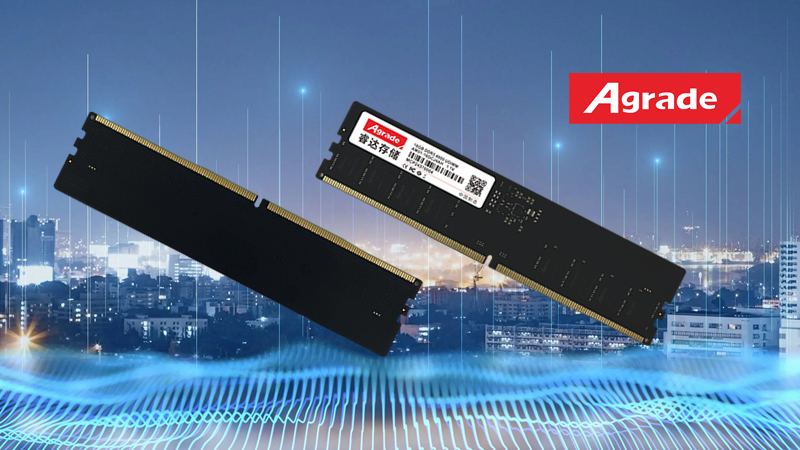
ystems, and IoT-enabled industrial networks. This article delves into the key specifications that define high-performance industrial grade RAM, ensuring compatibility, durability, and efficiency in industrial automation applications.
Wide Temperature Range Tolerance
One of the most critical specifications for industrial grade RAM is its ability to operate within an extended temperature range. Unlike consumer RAM, which typically functions between 0°C and 70°C, industrial grade modules are designed to withstand extreme cold and heat. Most industrial RAM modules offer a temperature range of -40°C to 85°C, with some high-end variants supporting up to 105°C. This resilience is vital for automation systems deployed in outdoor environments, manufacturing plants with fluctuating temperatures, or enclosed machinery where heat buildup is inevitable. For example, in automotive assembly lines or oil refineries, RAM must maintain data integrity even when exposed to extreme thermal stress, preventing system crashes that could halt production.
Enhanced Shock and Vibration Resistance
Industrial environments are often characterized by mechanical stress, including constant vibration from machinery and potential shock from equipment movement or accidents. Industrial grade RAM is built with robust physical structures to resist these forces. Key design features include reinforced circuit boards, shock-absorbing packaging, and soldered components (instead of socketed connections) to minimize loose contacts. The specifications typically include resistance to vibration levels of up to 10G (10 times the force of gravity) across a frequency range of 10Hz to 2000Hz and shock resistance of up to 100G for 1ms. This durability ensures that RAM retains data and functions reliably in high-vibration settings such as robotic arms, conveyor systems, or heavy industrial machinery.
Error Correction Code (ECC) Support
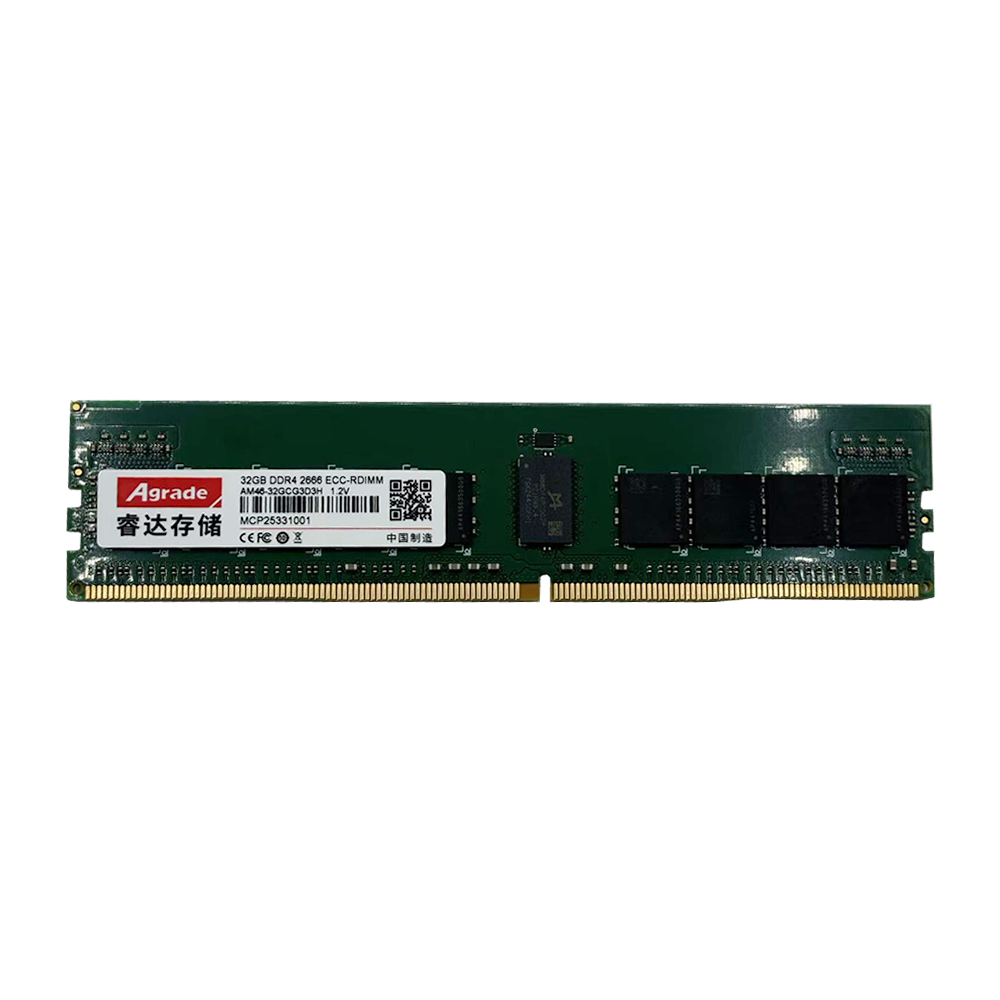
Data integrity is non-negotiable in industrial automation, where a single memory error can lead to costly downtime, product defects, or safety hazards. Industrial grade RAM commonly integrates Error Correction Code (ECC) technology, a critical specification that detects and corrects single-bit errors and detects multi-bit errors. ECC works by adding extra parity bits to data stored in RAM, allowing the system to identify and fix errors in real time. This feature is particularly essential for applications like process control systems, where continuous data accuracy is required, or in large-scale automation networks handling massive volumes of data. Unlike non-ECC consumer RAM, ECC-enabled industrial RAM ensures system stability and reduces the risk of catastrophic failures.
High Reliability and Long MTBF
Industrial automation systems are designed for long-term operation, often running 24/7 for years without maintenance. Consequently, industrial grade RAM must meet stringent reliability standards, measured by Mean Time Between Failures (MTBF). Leading industrial RAM modules boast MTBF ratings exceeding 1 million hours, far higher than consumer-grade alternatives. This reliability is achieved through rigorous component selection, including high-quality memory chips and capacitors, as well as extensive testing under extreme conditions. Additionally, industrial RAM may feature built-in thermal sensors and power management technologies to prevent overheating and extend lifespan. For industries such as aerospace, automotive, or energy, where system downtime is prohibitively expensive, a high MTBF rating is a non-negotiable specification.
Compatibility with Industrial Interfaces and Standards
Industrial automation systems rely on a variety of specialized hardware and communication protocols, so industrial grade RAM must be compatible with industry-specific interfaces and standards. Key specifications include support for industrial motherboards, such as those based on PICMG or COM Express standards, and compatibility with operating systems like Windows IoT, Linux, or real-time operating systems (RTOS) commonly used in automation. Additionally, industrial RAM may need to adhere to ruggedization standards, such as IP (Ingress Protection) ratings for dust and moisture resistance, or compliance with industry-specific certifications like ATEX for explosive environments. Ensuring compatibility with these standards guarantees seamless integration into existing systems and reduces the risk of compatibility issues that could disrupt operations.
Conclusion
Industrial grade RAM is a critical component in industrial automation, where performance, durability, and reliability are paramount. The key specifications—wide temperature range tolerance, shock and vibration resistance, ECC support, high MTBF, and compatibility with industrial standards—are tailored to meet the unique challenges of harsh industrial environments. By prioritizing these specifications, engineers and system integrators can select RAM modules that ensure uninterrupted operation, data integrity, and long-term stability, ultimately optimizing the efficiency and safety of industrial automation systems. As industrial automation continues to evolve with trends like Industry 4.0 and IoT, the demand for high-performance industrial grade RAM with advanced specifications will only grow, driving innovation in ruggedized memory solutions.s

-
Products
Advantages
-
Solutions
-
News
About us
-
Contact us
Tel:+86 19926658803
Whatsapp:+86 19926658803
lianle1210@163.com
Address: 30CF, Caihong Building, Caihong Road, Futian District, Shenzhen City, Guangdong Province, China



Friendly Links:
