









News


 电商部
电商部  2025-12-08 12:43:41
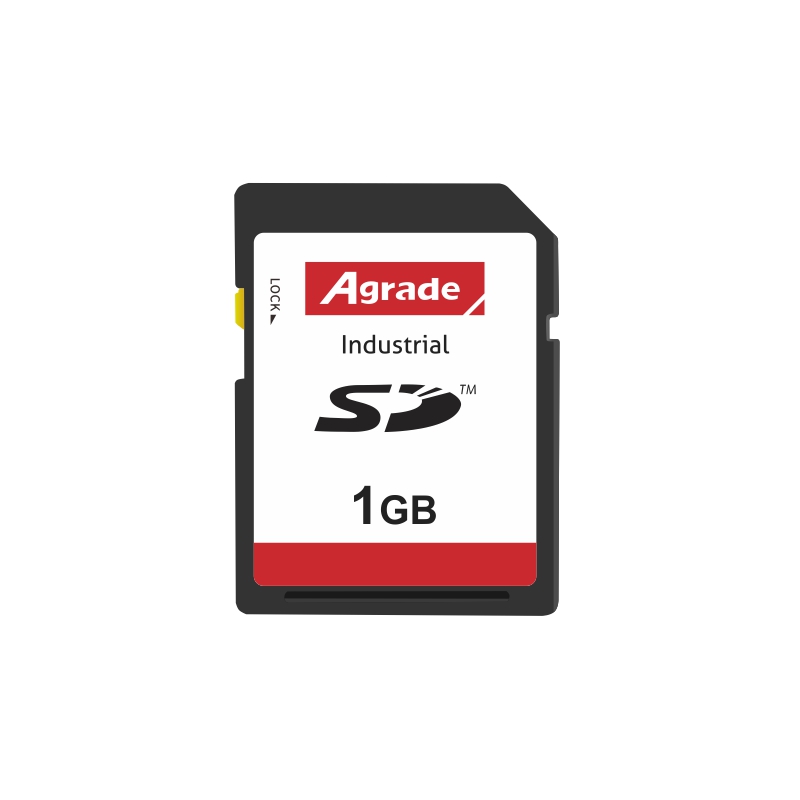
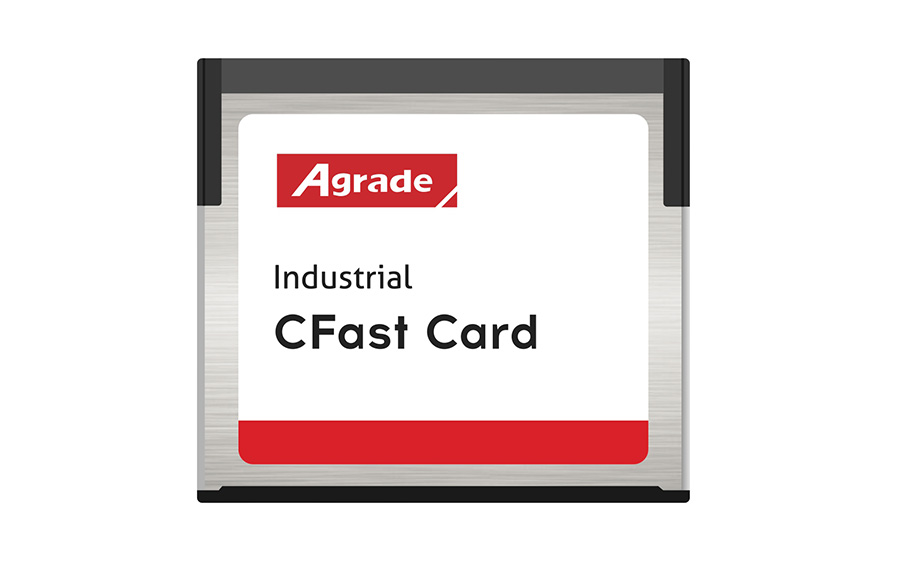
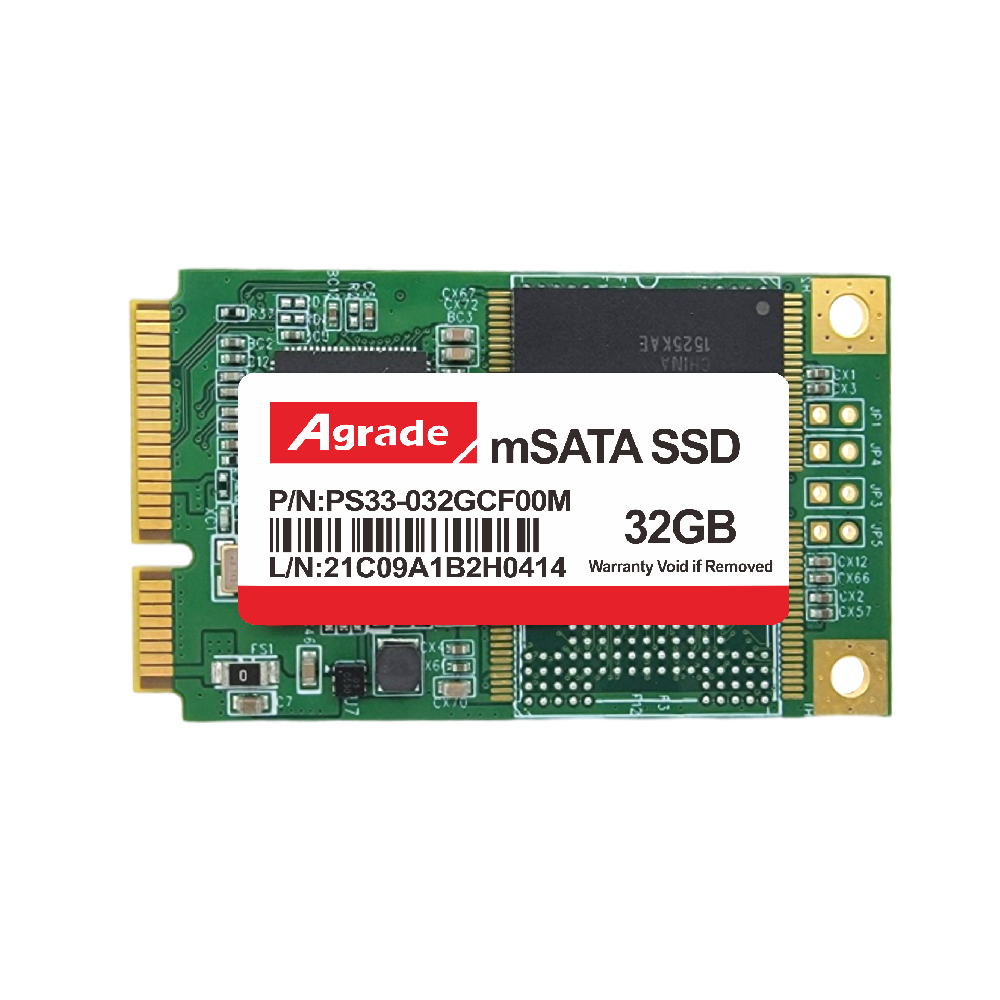
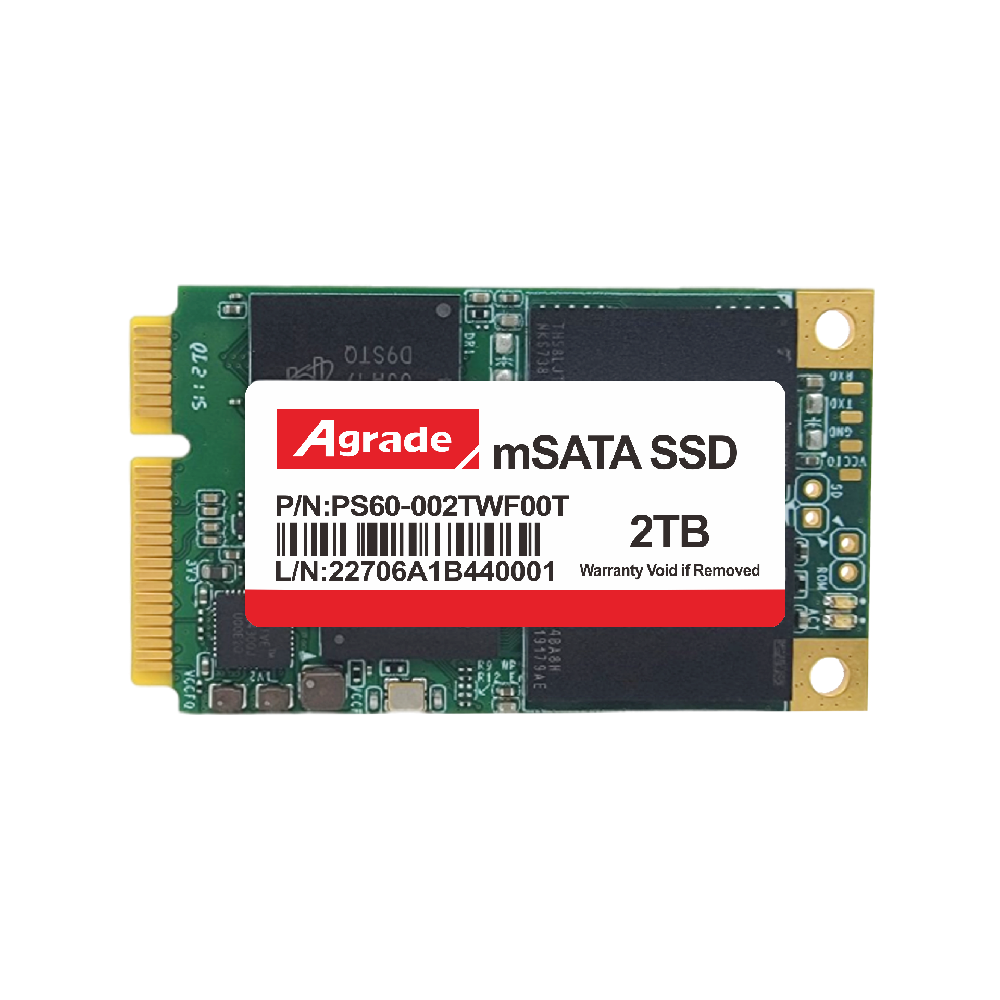
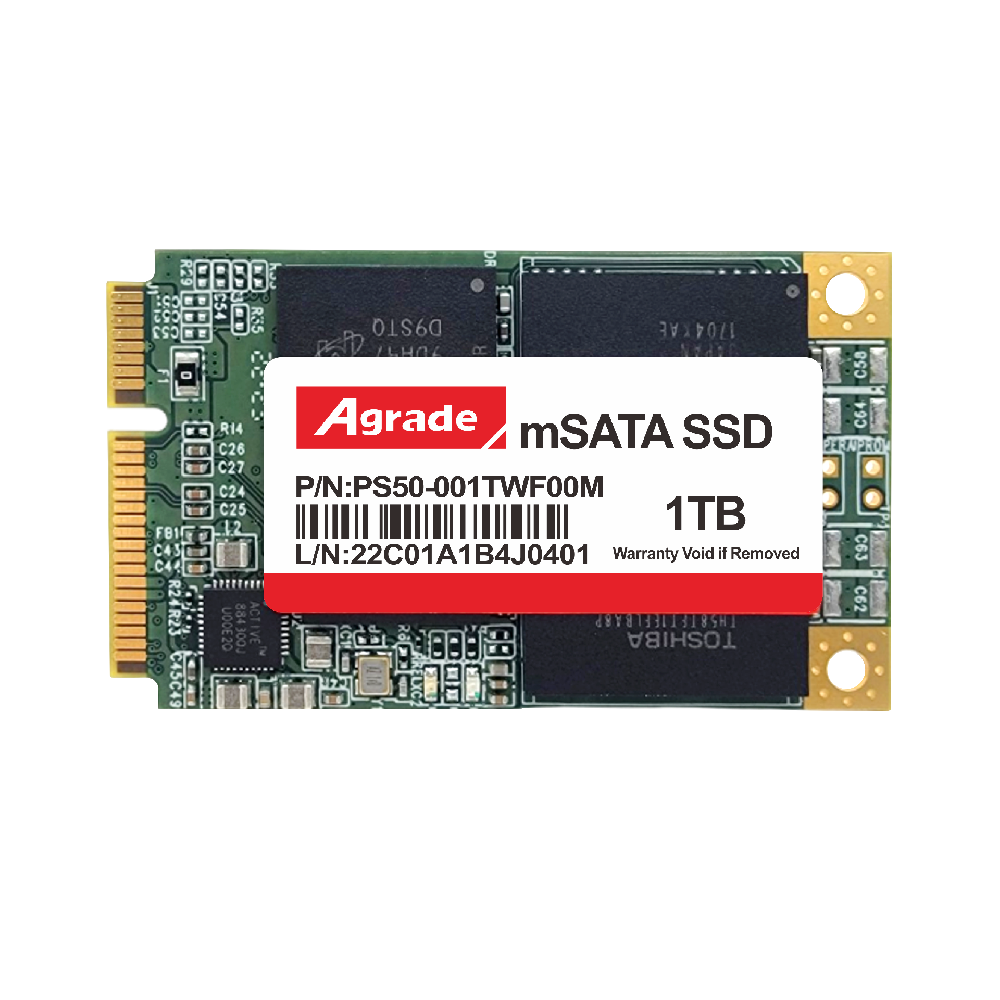
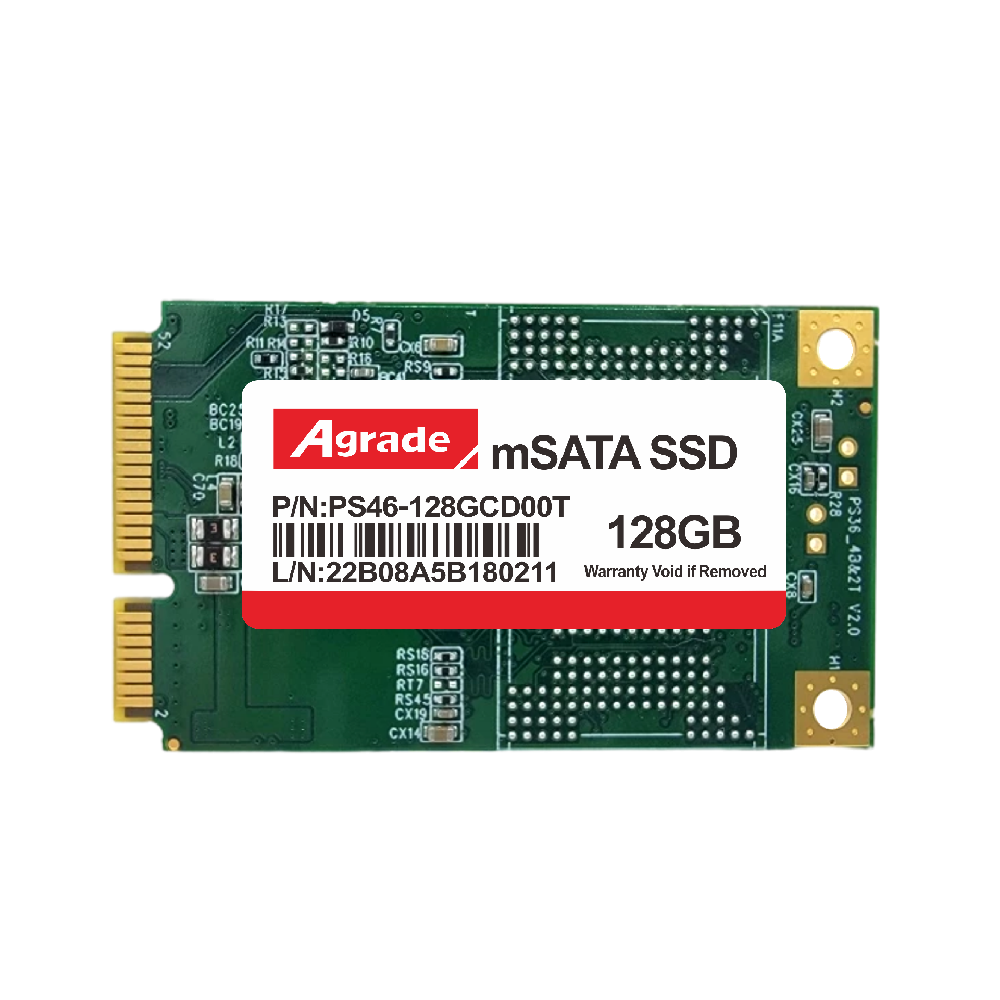
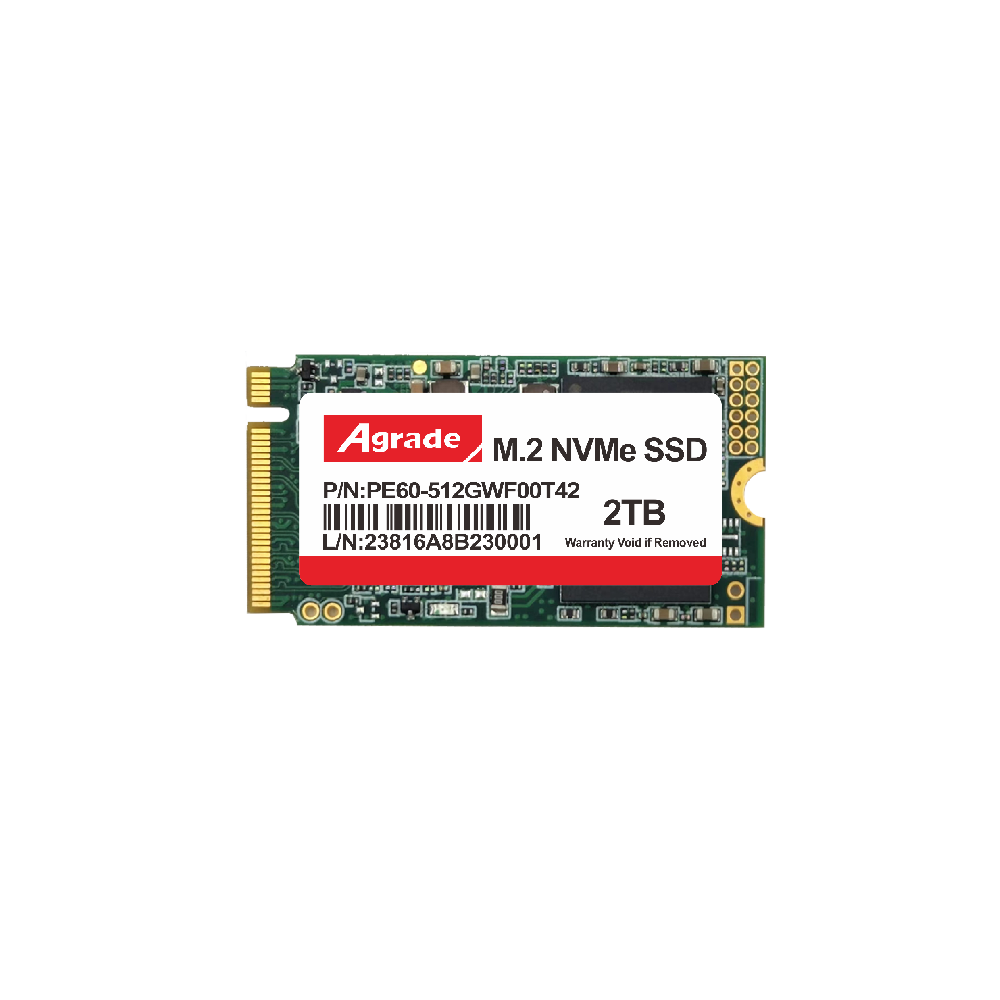
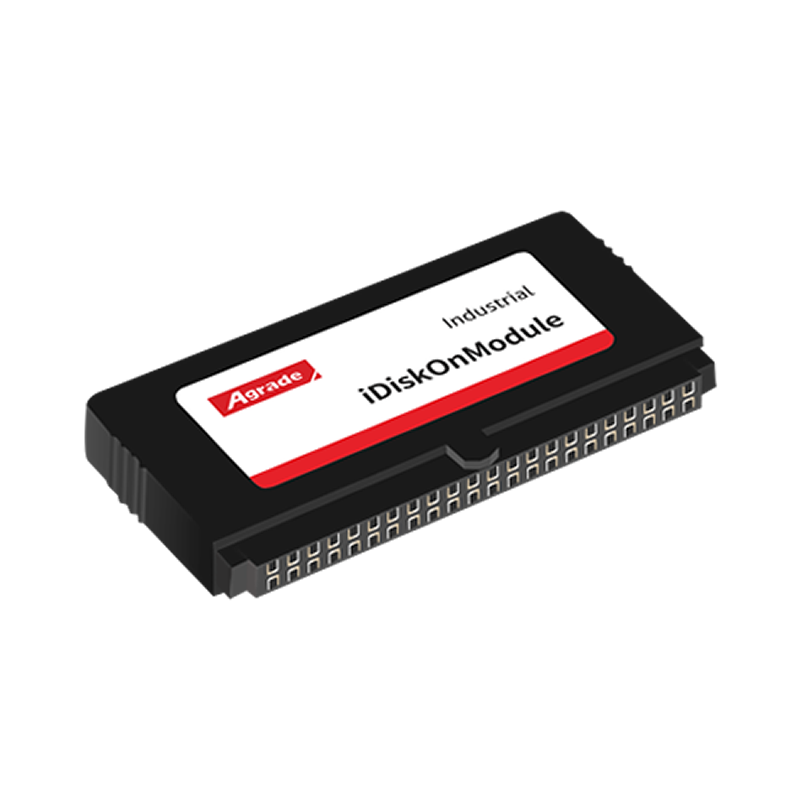
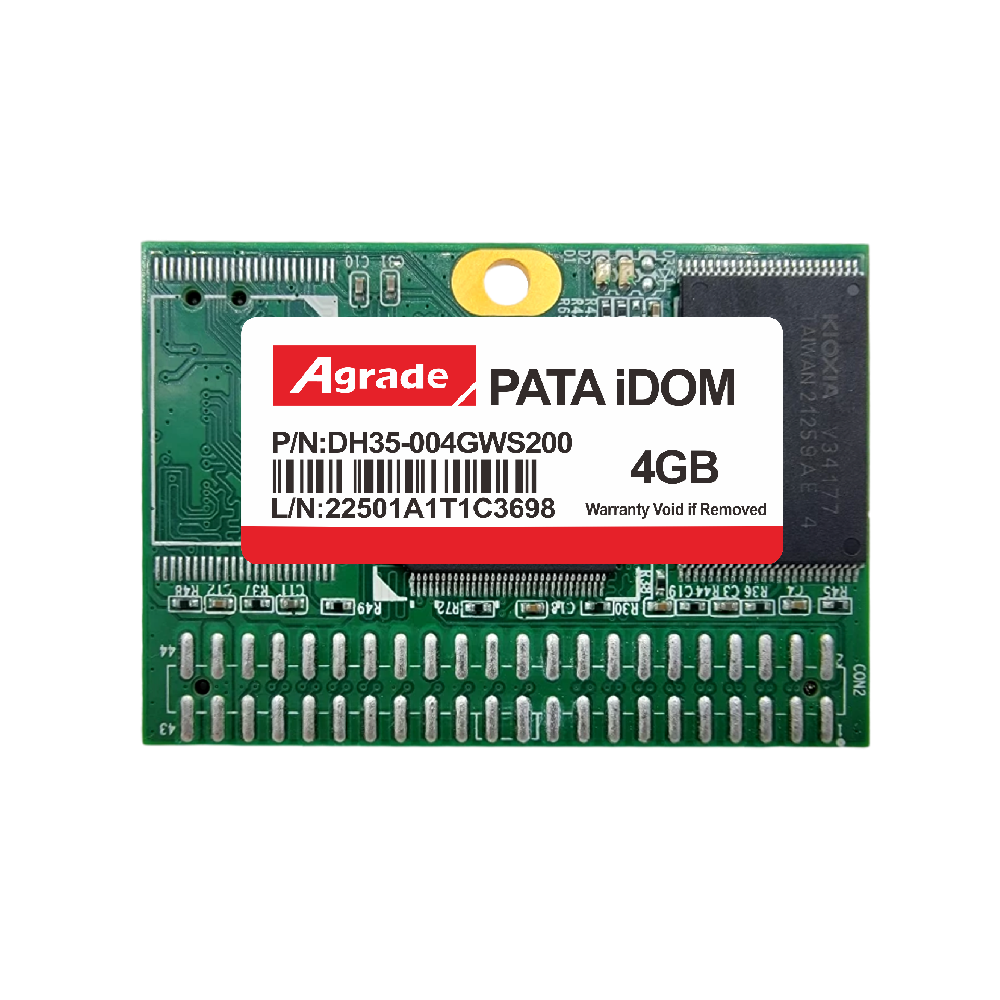
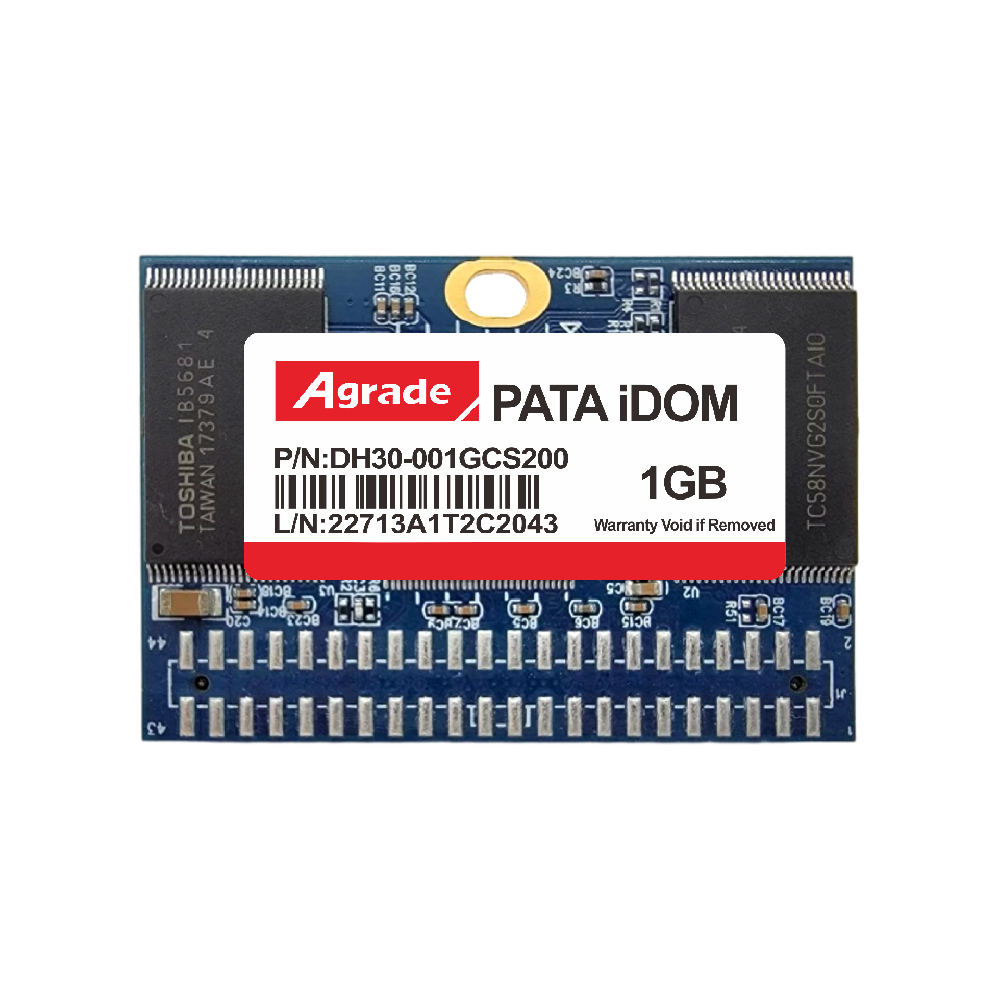
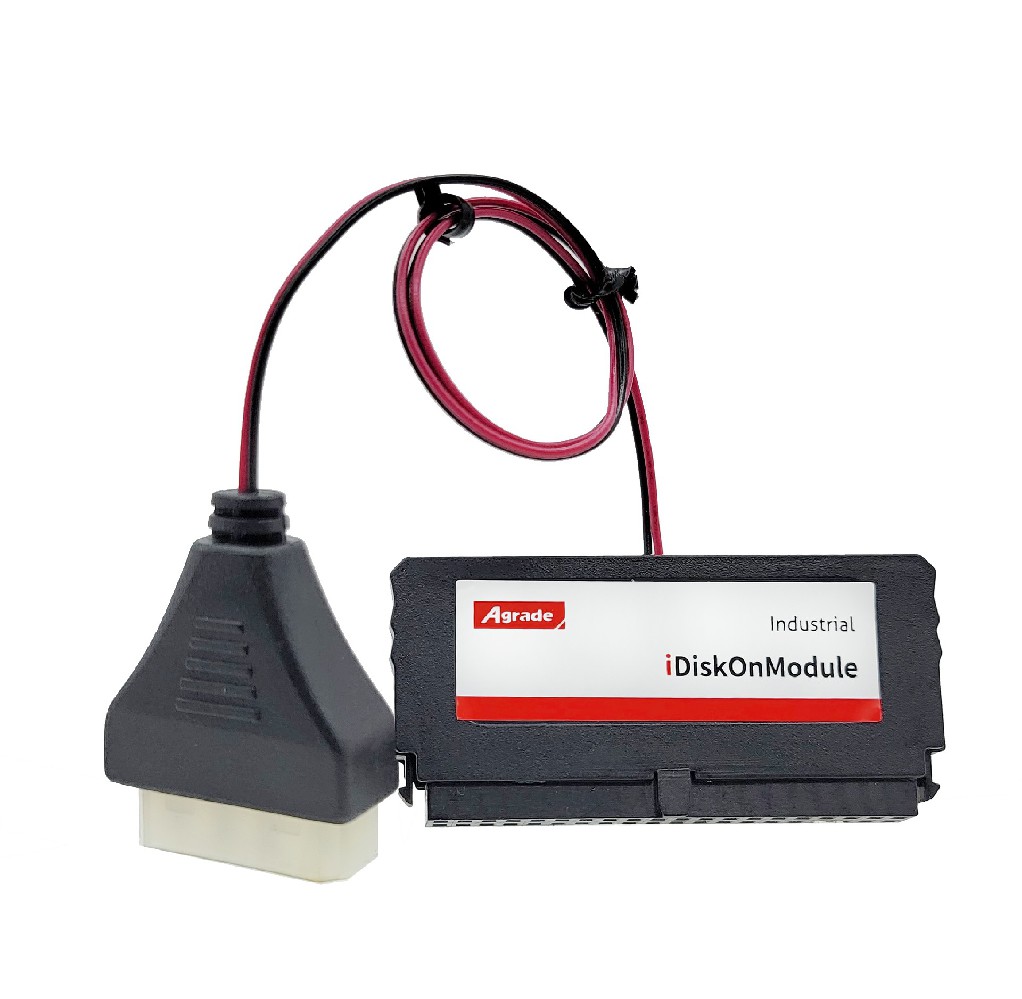
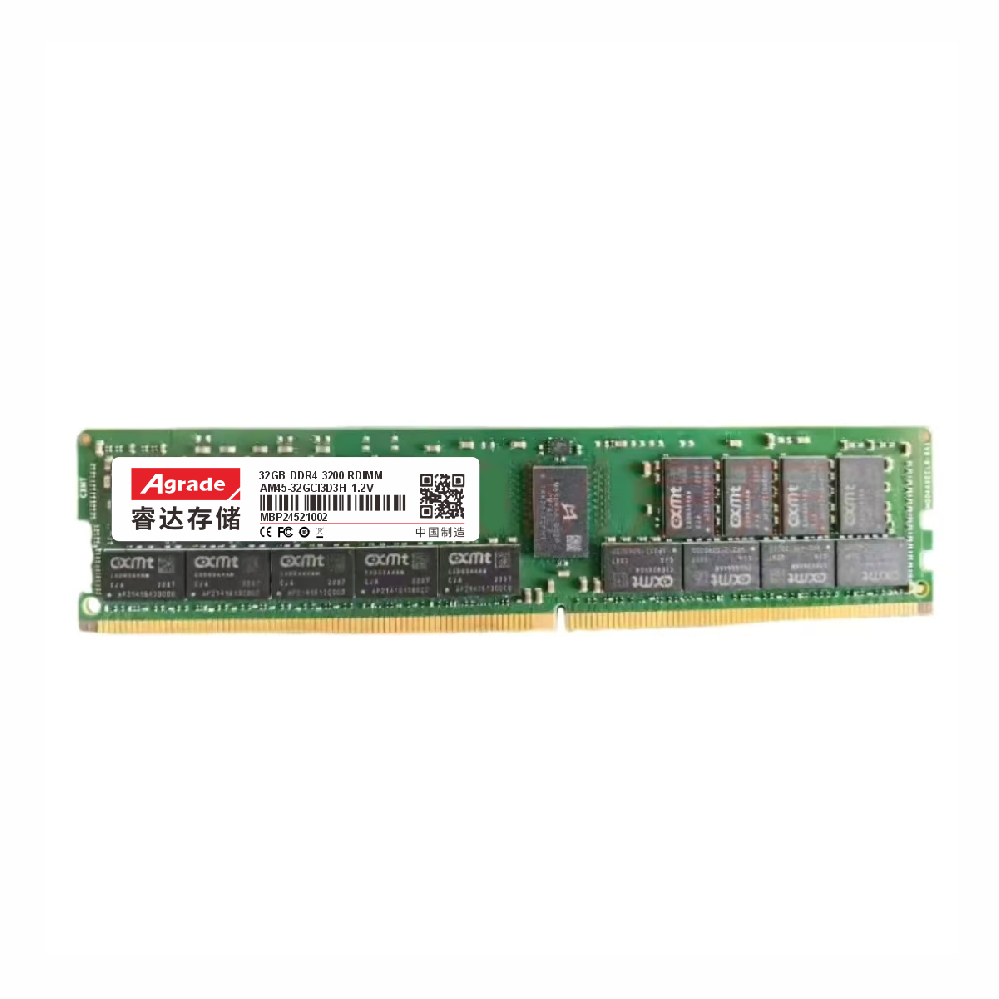
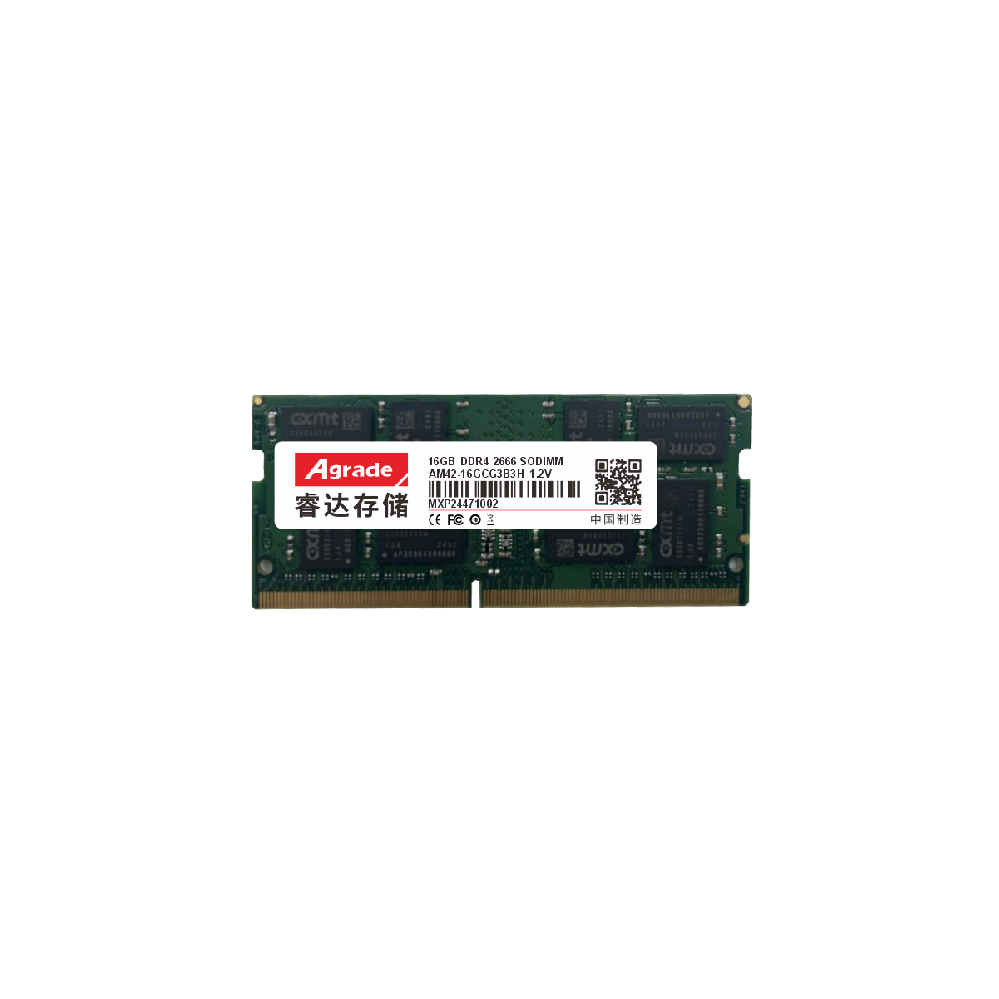
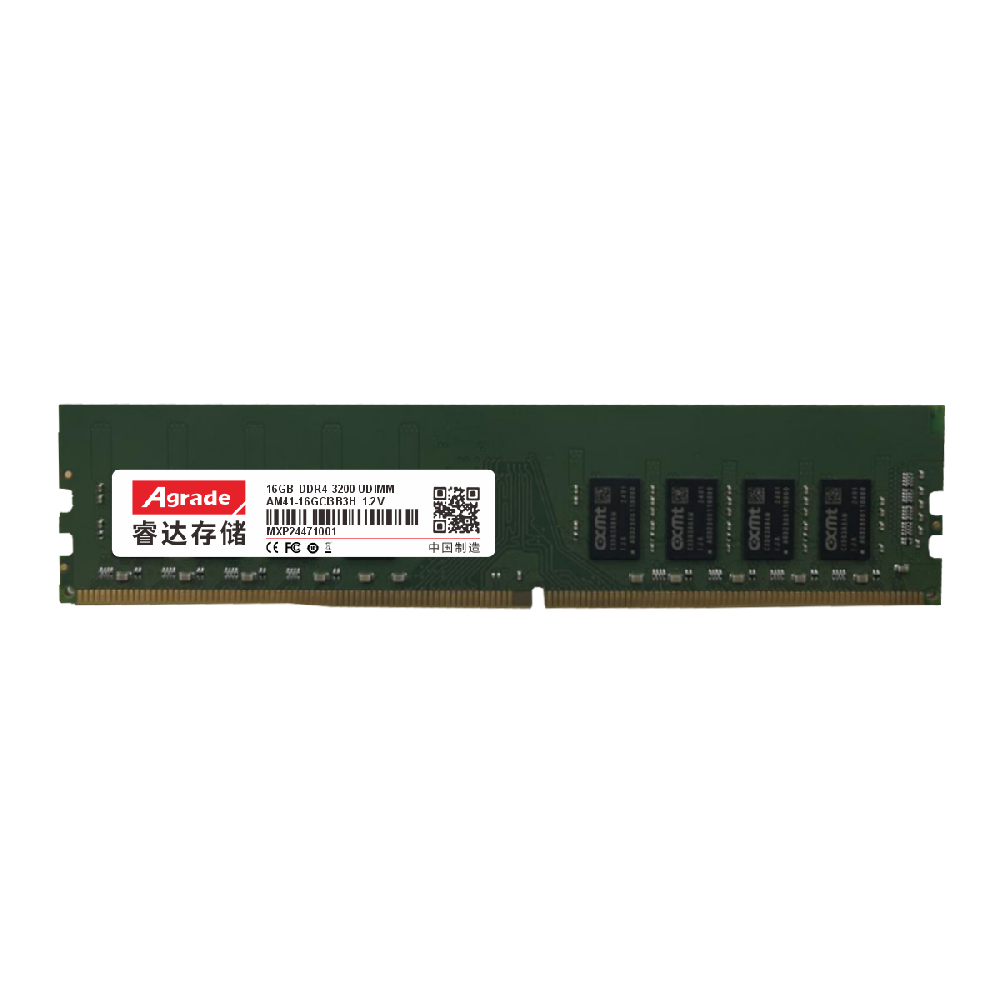
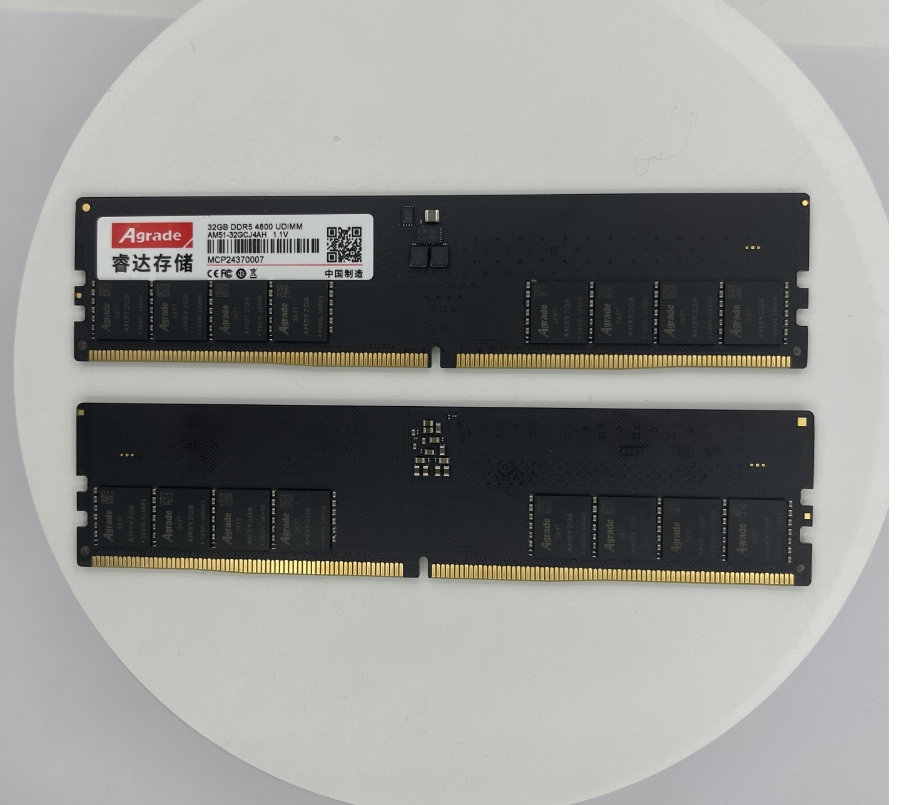
 Industrial Grade Memory Modules: Wide Temperature Range Performance & Benefits
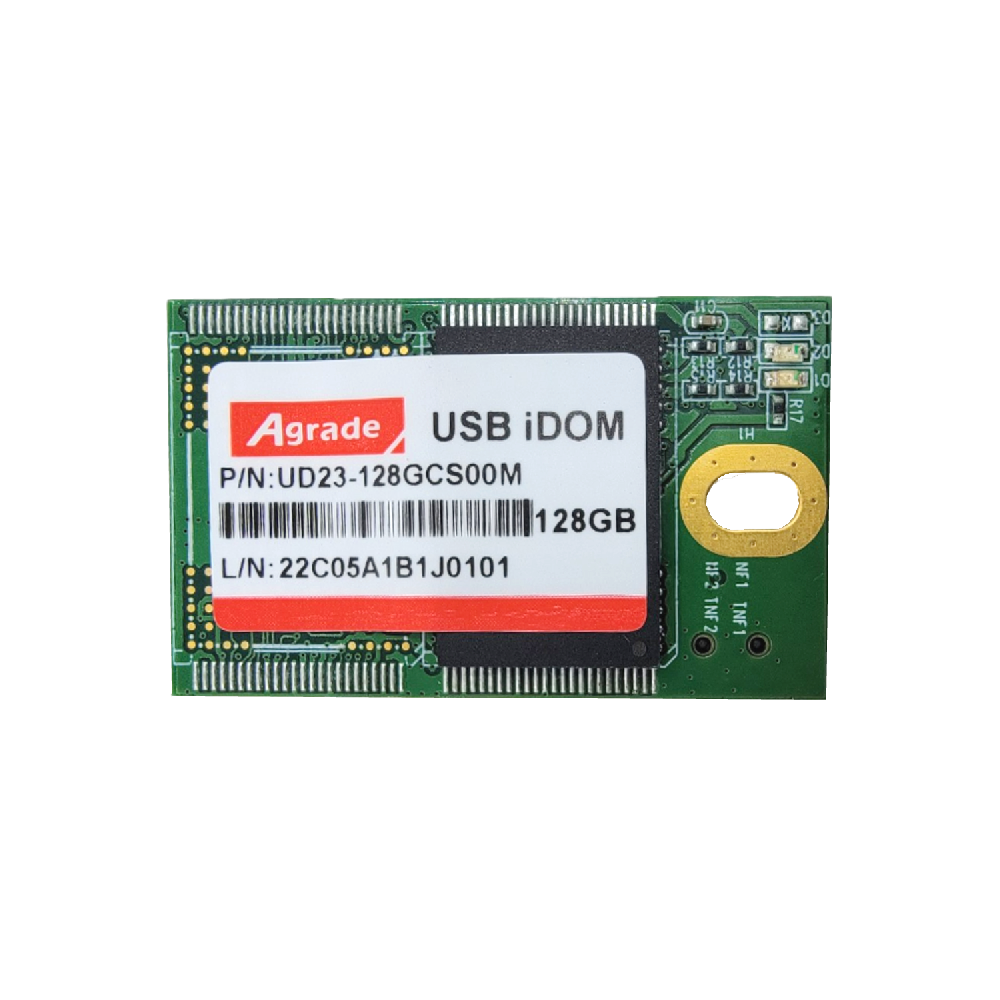
In industrial environments—from extreme desert oil rigs to frigid Arctic monitoring stations, and from high-heat manufacturing floors to vibration-prone transportation systems—electronic components face unforgiving conditions that consumer-grade hardware cannot withstand. Among these critical components, industrial grade memory modules stand out as a cornerstone of reliable operation, with their wide temperature range capability being a defining feature. Unlike standard memory modules designed for office computers or home electronics, which typically operate within a narrow range of 0°C to 70°C, industrial grade variants are engineered to perform consistently across -40°C to 85°C (and even wider ranges for specialized models). This resilience is not just a technical specification but a critical enabler for industries where downtime can lead to catastrophic losses, safety hazards, or compromised data integrity.
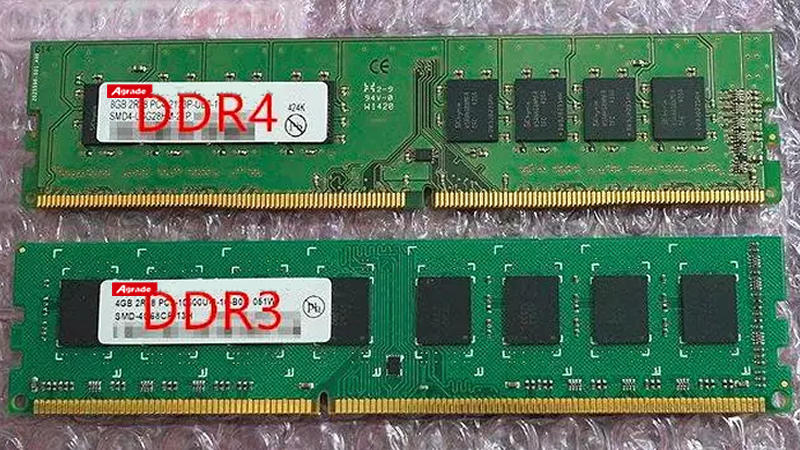
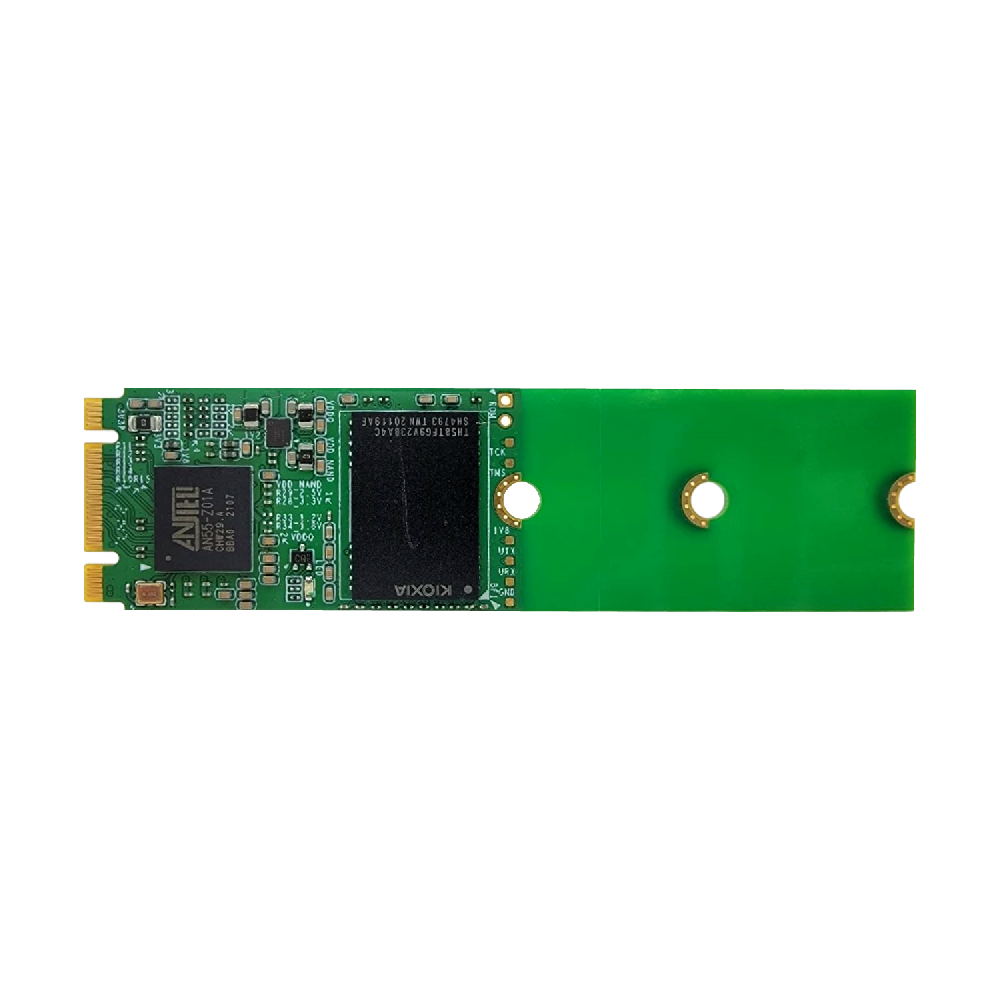
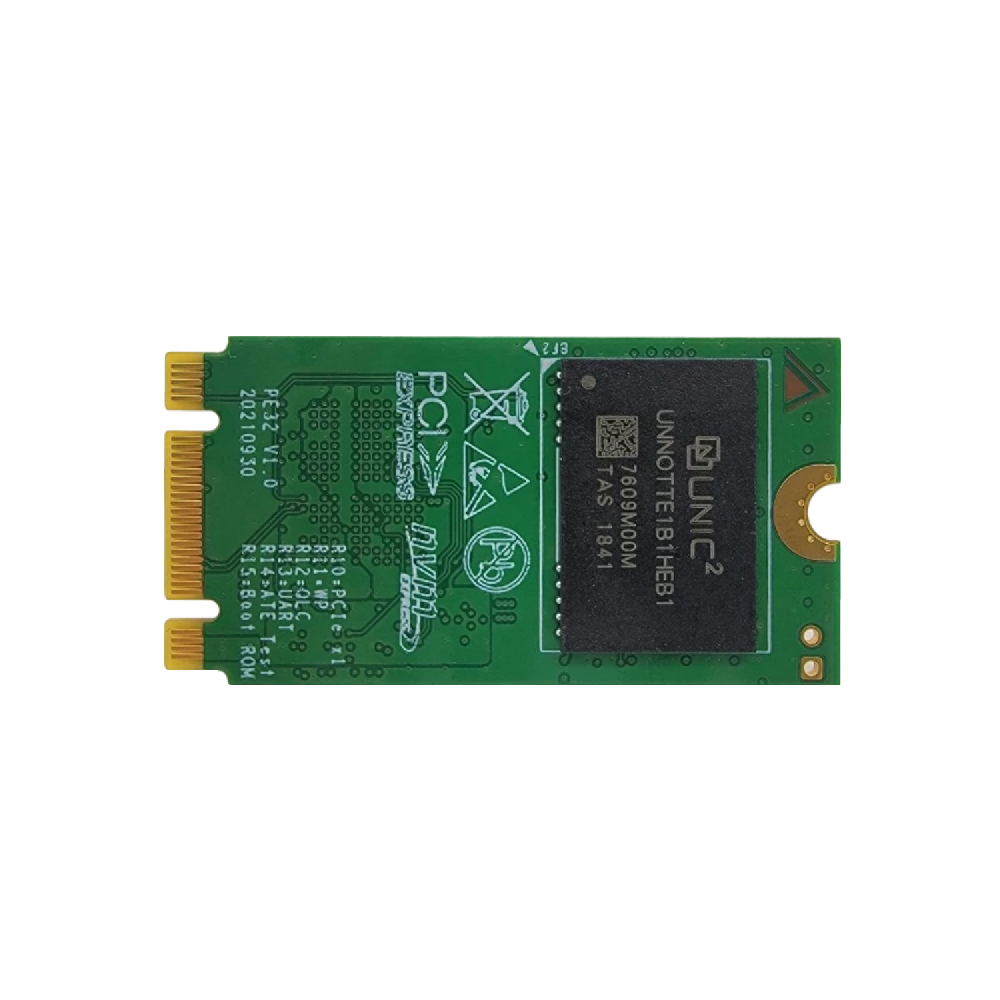
The ability of industrial grade memory modules to thrive in extreme temperatures stems from rigorous design and manufacturing processes. At the core of their durability is the selection of high-quality components: manufacturers use industrial-grade NAND flash and DRAM chips tested to endure thermal stress, along with robust printed circuit boards (PCBs) that resist warping or signal degradation under temperature fluctuations. Unlike consumer-grade memory, which may cut costs with lower-grade materials, industrial modules undergo extensive thermal cycling tests—exposing them to repeated shifts between extreme cold and heat—to ensure stability over thousands of hours of operation. Additionally, advanced packaging technologies, such as conformal coating, protect internal components from moisture, dust, and chemical contaminants common in industrial settings, further enhancing temperature resilience.
Beyond temperature resistance, industrial grade memory modules integrate features that address the unique demands of industrial applications. One key advantage is enhanced reliability through error correction code (ECC) technology. In harsh environments, temperature extremes can increase the risk of data corruption; ECC detects and corrects single-bit errors and alerts users to multi-bit errors, preventing system crashes and data loss. This is particularly critical in applications like industrial automation, where a single memory error could disrupt production lines or compromise machine safety. Industrial modules also boast higher endurance ratings, with support for more program/erase (P/E) cycles than consumer-grade memory. This is essential for applications that require frequent data writing, such as real-time monitoring systems or edge computing devices in smart factories, where memory is constantly updated with sensor data.
The wide temperature range performance of industrial grade memory modules unlocks value across a spectrum of industries. In the automotive sector, for example, they power advanced driver-assistance systems (ADAS), infotainment platforms, and engine control units (ECUs) that must operate in underhood temperatures exceeding 80°C or in winter conditions as low as -40°C. Without industrial-grade memory, these systems could fail during extreme weather, endangering passengers. In aerospace and defense, memory modules endure the extreme cold of high altitudes and the heat of re-entry, supporting navigation systems, radar, and communication equipment critical to mission success. Similarly, in energy infrastructure—from solar farms in scorching deserts to wind turbines in freezing plains—industrial memory ensures that monitoring and control systems collect and process data reliably, minimizing downtime and maximizing energy output.
Another key benefit of industrial grade memory modules is their role in enabling the Industrial Internet of Things (IIoT). As more industrial devices become connected, edge computing—processing data locally rather than sending it to distant servers—has become essential to reduce latency and bandwidth usage. IIoT devices often operate in remote or harsh environments, where temperature extremes are common. Industrial memory modules provide the stability needed for these devices to store and process data in real time, supporting applications like predictive maintenance, quality control, and automated logistics. For example, in a smart factory, sensors on production machines use industrial memory to log temperature, vibration, and performance data, allowing AI systems to identify potential failures before they occur—reducing downtime and maintenance costs.
Cost-effectiveness is another compelling advantage of industrial grade memory modules, despite their higher upfront price compared to consumer-grade alternatives. The cost of downtime in industrial settings is staggering: a single hour of production loss in a manufacturing plant can cost hundreds of thousands of dollars, while failures in critical infrastructure like power grids or healthcare equipment can have life-threatening consequences. Industrial memory modules minimize these risks by delivering long-term reliability—often with operating lifespans of 10 years or more—reducing the need for frequent replacements and repairs. Additionally, their compatibility with industrial standards (such as DDR4, DDR5, and SATA) ensures seamless integration with existing systems, eliminating the need for costly hardware overhauls.
In conclusion, industrial grade memory modules are indispensable components in modern industrial systems, with their wide temperature range performance being a key differentiator. By combining rugged design, high-quality components, and advanced features like ECC and high endurance, these modules deliver the reliability, durability, and performance required to withstand the harshest environments. From automotive and aerospace to energy and IIoT, they enable critical applications to operate seamlessly, reducing downtime, enhancing safety, and unlocking new levels of efficiency. As industries continue to embrace digital transformation and expand into more extreme environments, the demand for industrial grade memory modules will only grow—solidifying their position as a foundational technology for the industrial future.

-
Products
Advantages
-
Solutions
-
News
About us
-
Contact us
Tel:+86 19926658803
Whatsapp:+86 19926658803
lianle1210@163.com
Address: 30CF, Caihong Building, Caihong Road, Futian District, Shenzhen City, Guangdong Province, China



Friendly Links:
