









News


 电商部
电商部  2026-01-14 15:31:50
 Laptop Memory Module Warranty Policies: What You Need to Know
Laptop memory module warranty policies vary significantly by brand, with differences in coverage duration, service scope, and claim procedures. Understanding these policies is essential for protecting your investment, as memory modules can fail unexpectedly— especially low-quality ones. This article breaks down common warranty terms, compares policies from top brands, and provides tips for making a successful warranty claim.
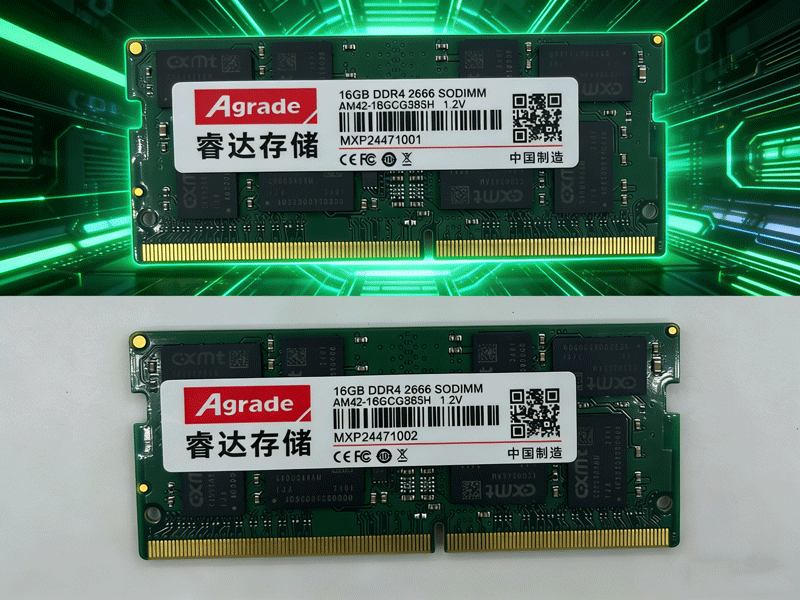
Warranty duration is the most visible difference. Top brands like Corsair, G.Skill, and Kingston offer lifetime warranties for their consumer-grade memory modules, meaning the module is covered against defects in materials and workmanship for the lifetime of the product. Samsung, SK Hynix, and Micron offer 3-5 year warranties for their original modules, while budget brands may offer 1-2 year warranties. It’s important to note that “lifetime warranty” does not mean the module will last forever— it covers manufacturing defects, not physical damage or wear and tear.
Service scope varies by brand. Most warranties cover free replacement of defective modules, but some brands offer advanced services like cross-shipping (sending a replacement before receiving the defective module) or on-site repair for workstation-grade modules. However, warranties do not cover damage caused by misuse, overclocking, static electricity, or physical damage (e.g., bent contacts, burnt chips). Some brands also exclude refurbished or counterfeit modules, so always purchase from authorized retailers.
Claim procedures differ between brands with direct warranty and those with agent-based warranty. Brands like Corsair and Kingston have direct global warranty programs— you can file a claim through their website, provide proof of purchase (or just the module’s serial number), and receive a replacement directly. Agent-based warranty (common for Micron/ Crucial and ADATA) requires filing a claim through a local authorized agent, which can be slower (1-2 weeks) but still reliable if the agent is reputable.
Tips for protecting your warranty: keep the original packaging and purchase receipt, avoid overclocking (unless the brand explicitly allows it), and handle the module carefully to prevent physical damage. Register the module on the brand’s website after purchase— this simplifies the claim process. If you encounter a failure, contact the brand’s customer support first; provide the module’s serial number, purchase date, and a description of the issue. For successful claims, the module must be free of physical damage and within the warranty period.

-
Products
Advantages
-
Solutions
-
News
About us
-
Contact us
Tel:+86 19926658803
Whatsapp:+86 19926658803
lianle1210@163.com
Address: 30CF, Caihong Building, Caihong Road, Futian District, Shenzhen City, Guangdong Province, China



Friendly Links:
