












News


 电商部
电商部  2026-01-15 16:50:20
 How to Choose the Right Desktop Computer Memory Module for Gaming
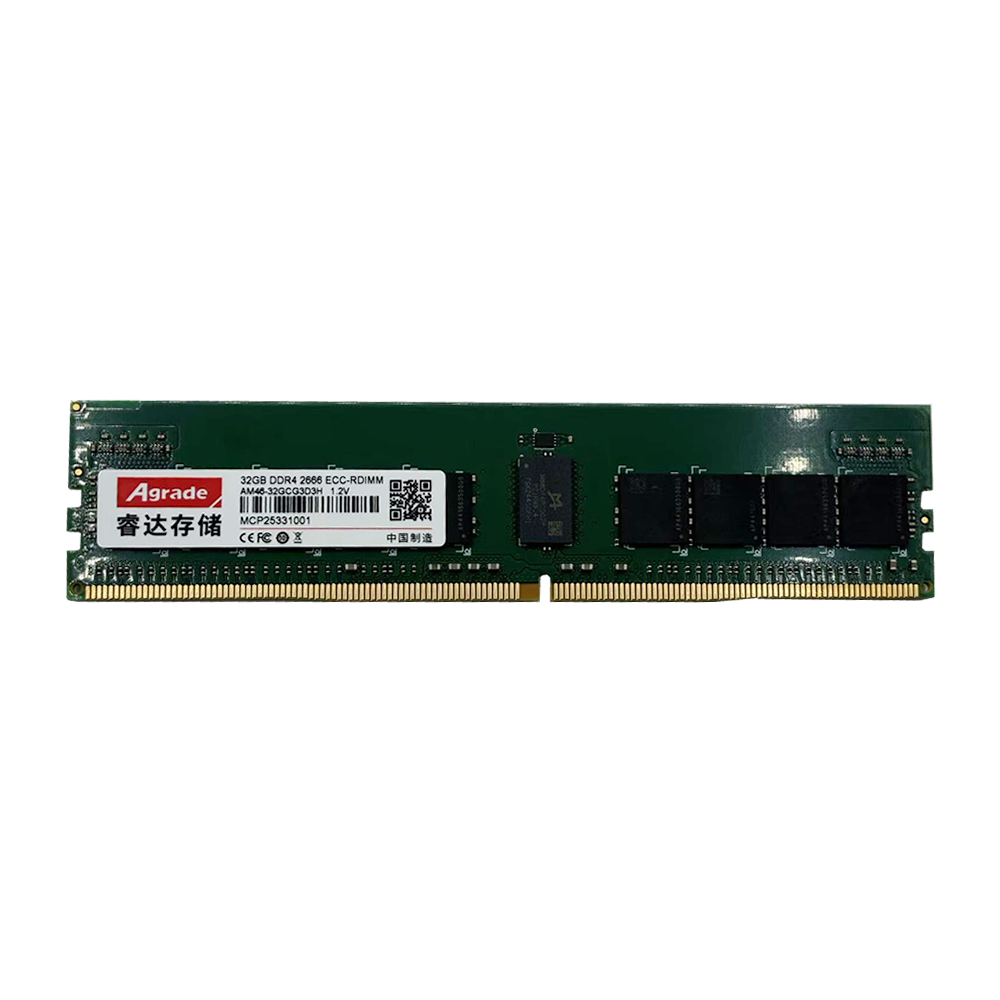
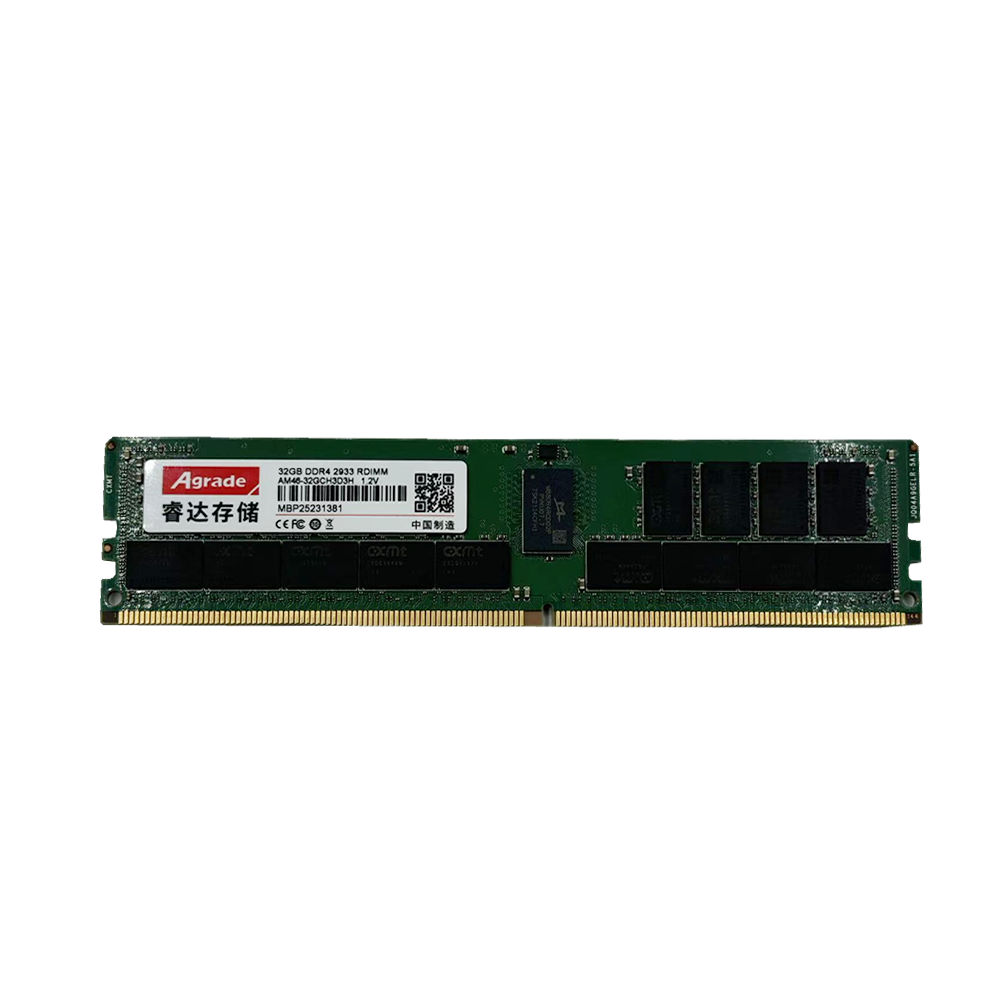
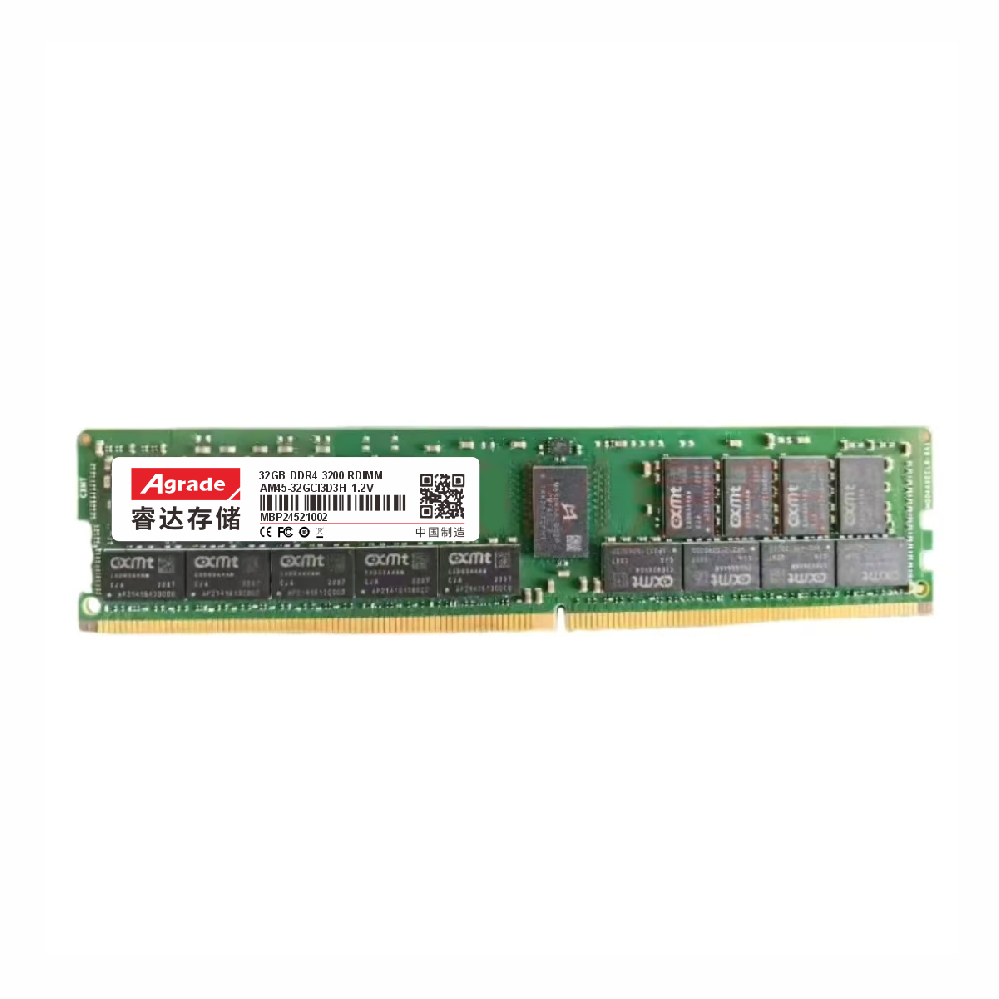
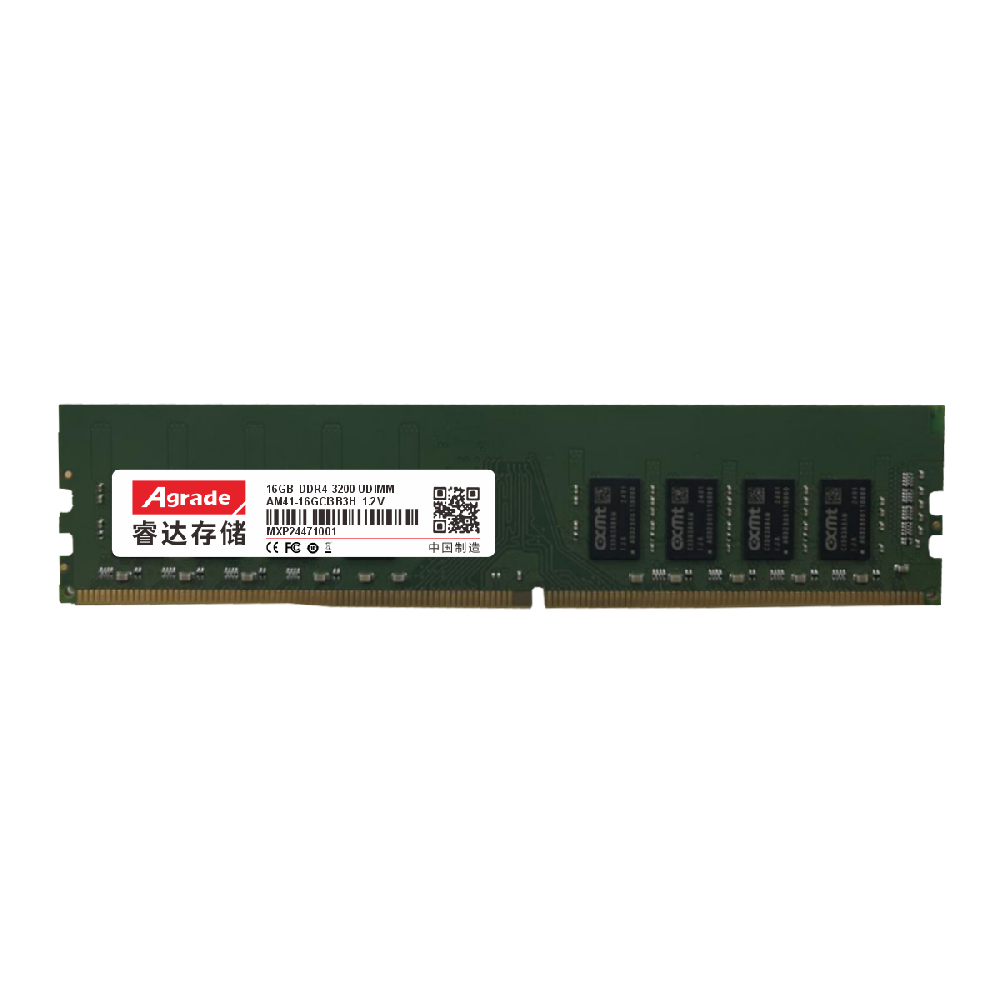
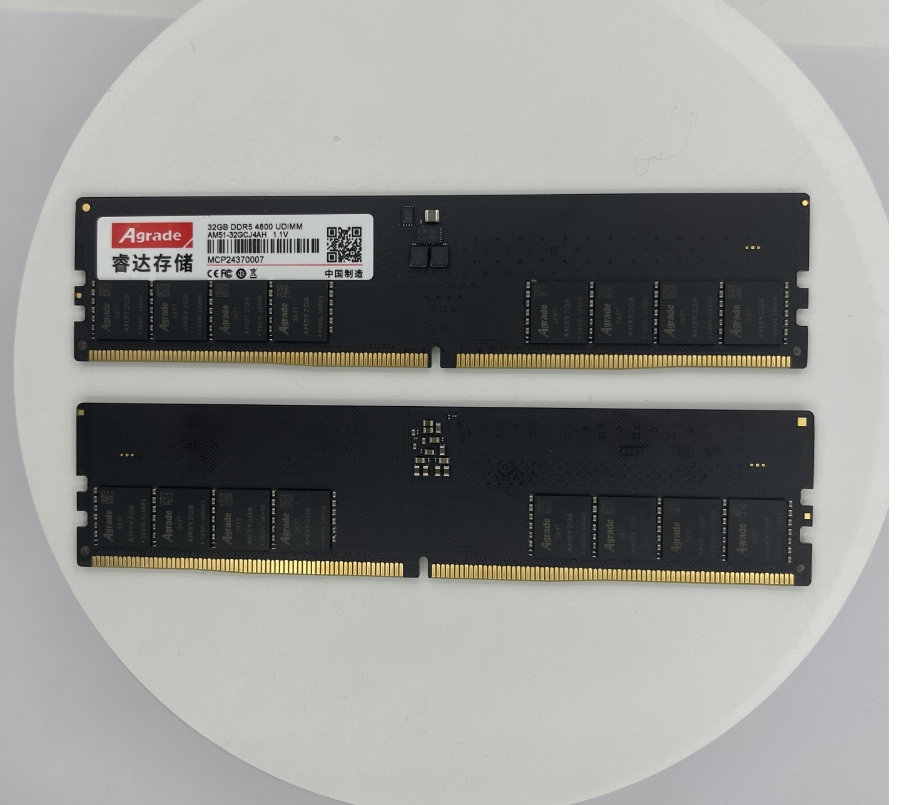
Gaming desktops rely heavily on high-performance components, and the desktop computer memory module is no exception. The right memory module can significantly enhance gaming smoothness, reduce load times, and prevent frame drops during intense gameplay—factors that can make or break the gaming experience, especially in competitive titles. When selecting a memory module for gaming, the first factor to consider is capacity. For most modern games, 16GB of RAM (two 8GB modules in dual-channel mode) is the minimum requirement, as it allows the game to load textures, character models, and game logic without straining the system. However, if you plan to run games at 4K resolution, use resource-heavy mods, or multitask with streaming software, Discord, and overlay tools while gaming, 32GB is a more suitable choice. This extra capacity ensures that background processes don’t compete with the game for memory, keeping gameplay consistent even during peak loads.
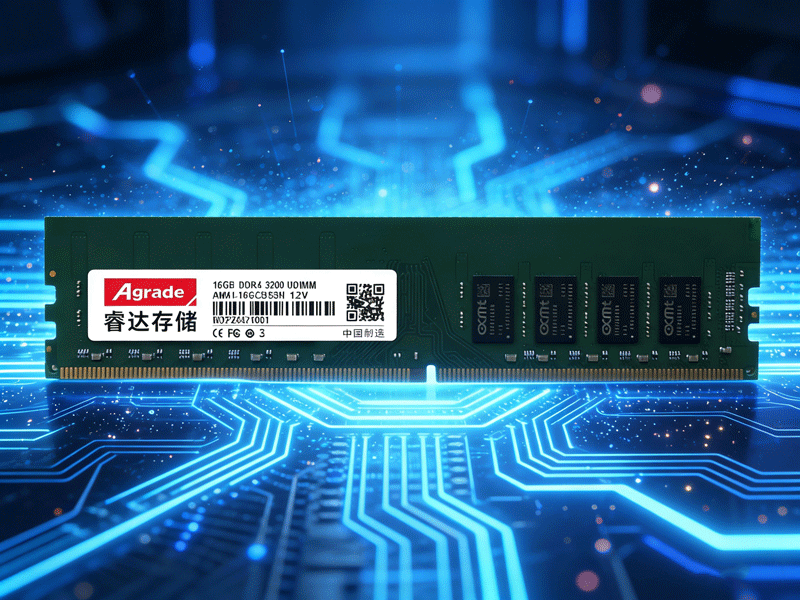
Another critical aspect is clock speed. Desktop computer memory modules come with varying clock speeds, measured in MHz, which directly impacts how quickly data can be read from and written to the module. Higher clock speeds mean faster data transfer rates, which is crucial for gaming, as it reduces the time the CPU waits for memory data—this is particularly noticeable in open-world games with large, dynamic environments. For gaming builds, memory modules with clock speeds of 3200MHz or higher are recommended; DDR5 memory modules, which offer higher speeds than DDR4, are becoming increasingly popular among gaming enthusiasts, though they may come with a higher price tag. It’s also important to ensure compatibility with your motherboard—check the motherboard’s specifications to confirm supported memory types (DDR4 or DDR5), maximum clock speeds, and total capacities. Some motherboards may require updating the BIOS to support newer, faster memory modules, so this step should not be overlooked.
Latency is another factor that affects gaming performance, often overlooked in favor of clock speed but equally important. Latency, measured in CAS (Column Address Strobe) latency, refers to the time it takes for the memory module to respond to a request from the CPU. Lower CAS latency means faster response times, which is beneficial in fast-paced games where split-second data access is critical. For gaming, aim for memory modules with a CAS latency of 16 or lower; modules with CAS 14 or 15 offer even better performance for competitive gamers. Additionally, consider the brand reputation—reliable brands like Corsair, G.Skill, and Kingston offer high-quality memory modules with better durability, performance consistency, and after-sales support. These brands often test their modules extensively to ensure compatibility with popular motherboards and CPUs, reducing the risk of instability. Investing in a quality desktop computer memory module ensures stable gaming performance, longevity for your system, and avoids the hassle of replacing faulty components down the line.

-
Products
Advantages
-
Solutions
-
News
About us
-
Contact us
Tel:+86 19926658803
Whatsapp:+86 19926658803
lianle1210@163.com
Address: 30CF, Caihong Building, Caihong Road, Futian District, Shenzhen City, Guangdong Province, China



Friendly Links:
