




News


 电商部
电商部  2026-01-15 16:51:19
 DDR4 vs. DDR5 Desktop Computer Memory Module: Which Is Better?
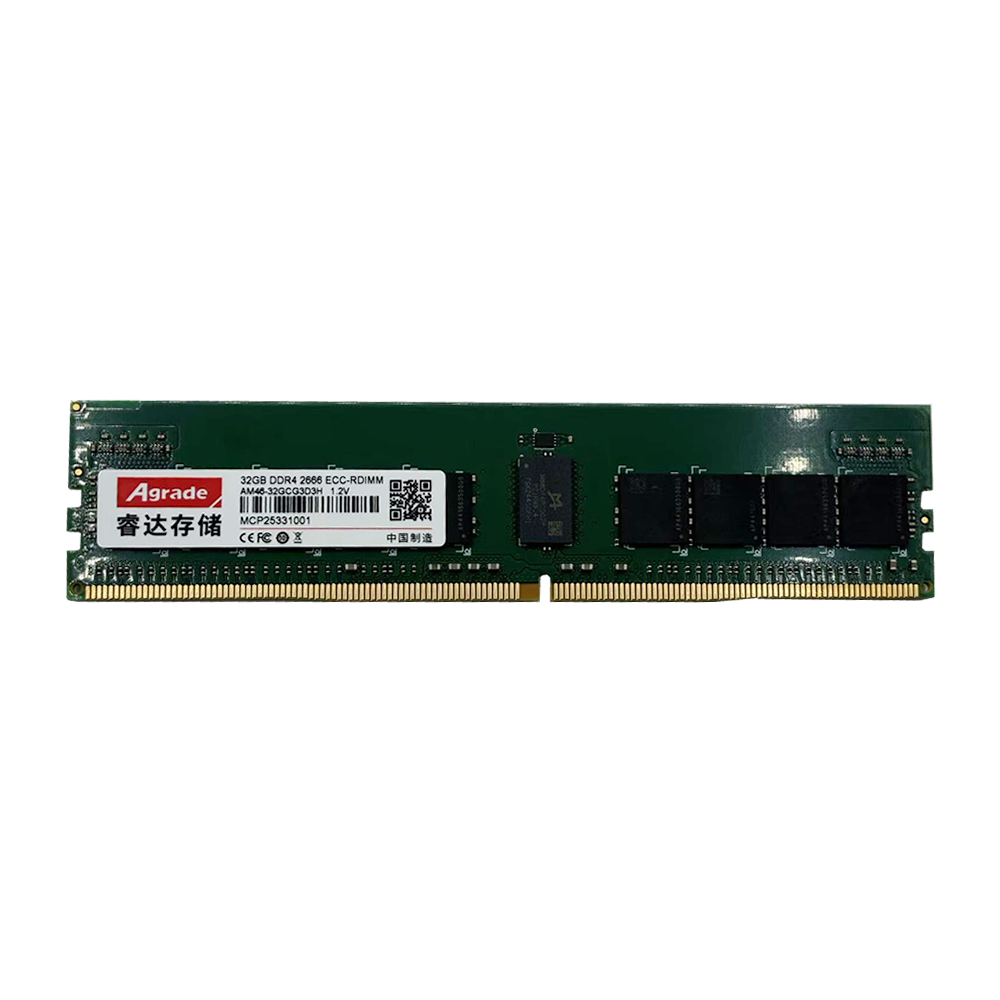
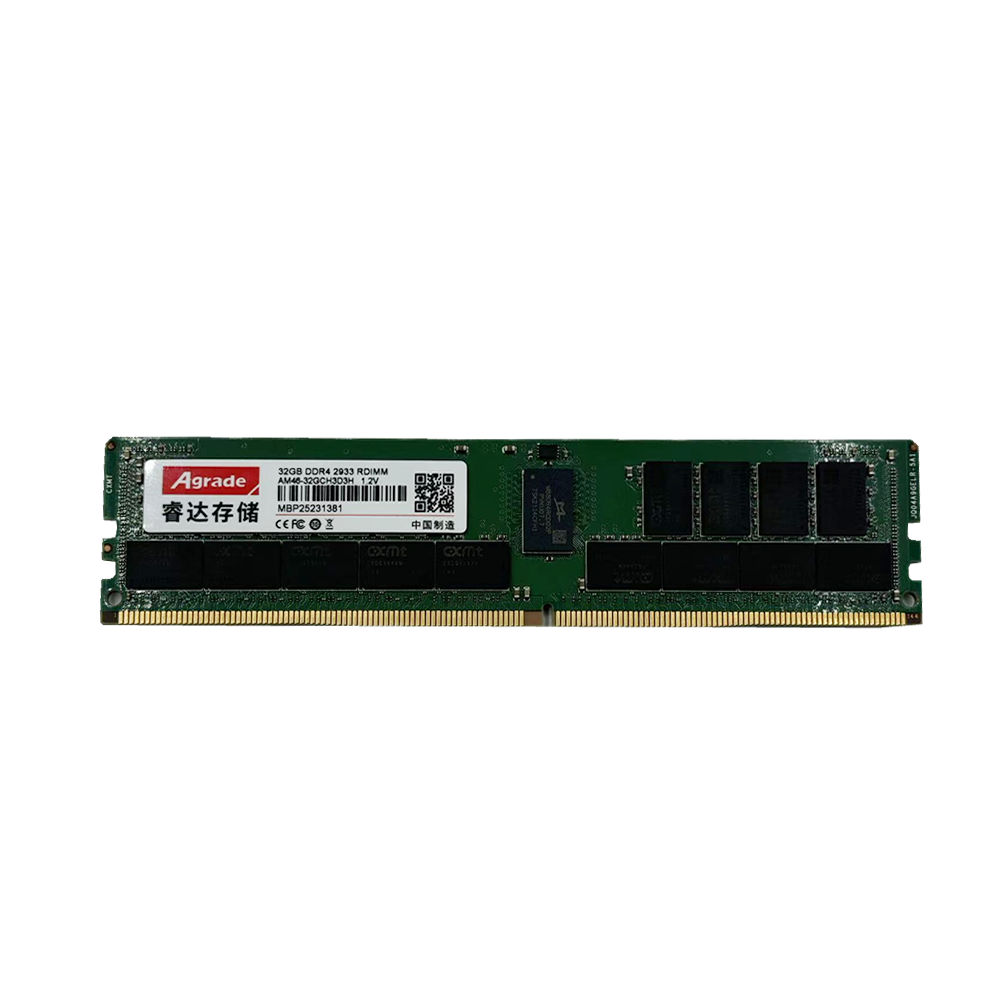
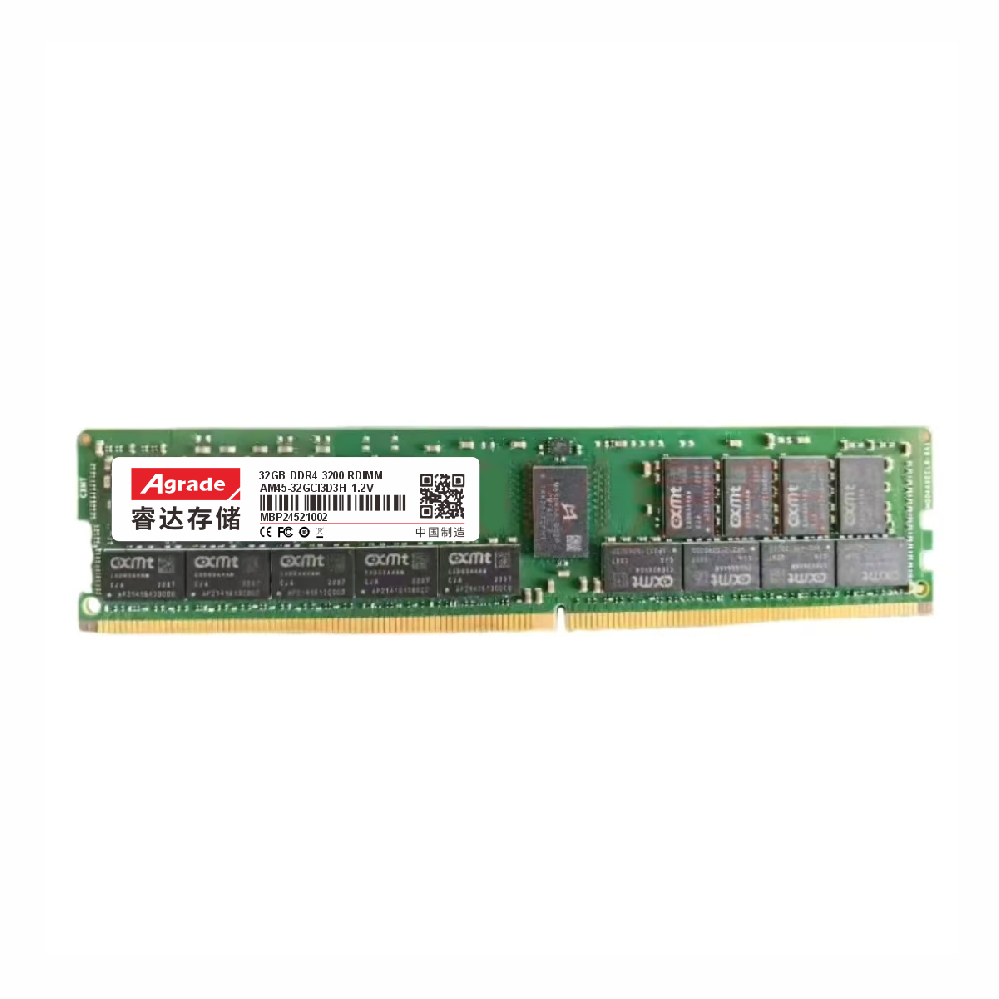
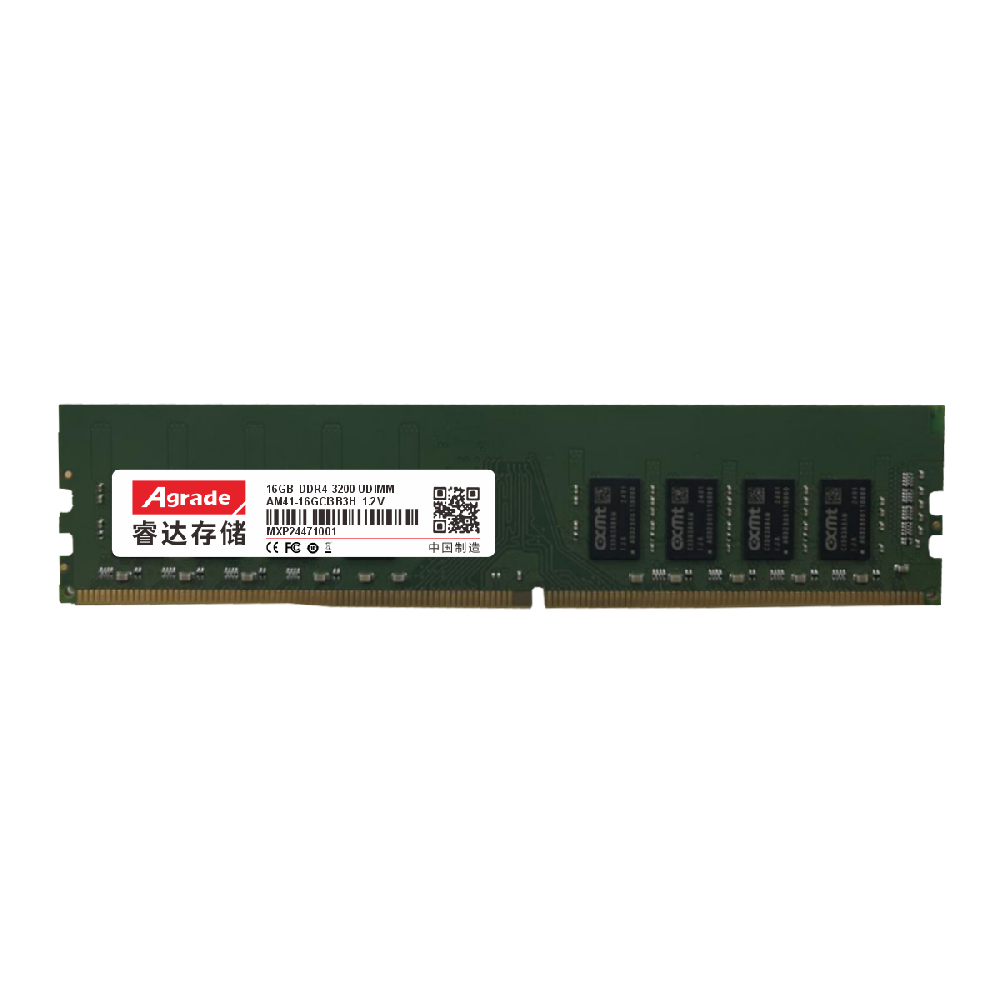
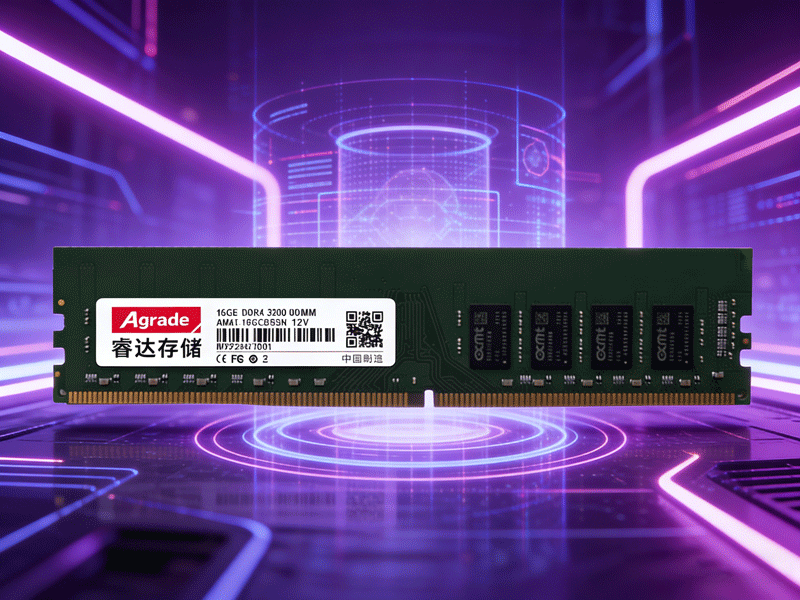
The evolution of desktop computer memory modules has led to the transition from DDR4 to DDR5, leaving many users wondering which option is better for their needs. DDR4 memory modules have been the industry standard for nearly a decade, offering a reliable balance of performance, broad compatibility, and affordability. They are widely supported by most motherboards and CPUs released before 2023, making them a safe choice for budget builds, older systems, or users who prioritize cost-effectiveness over cutting-edge speed. DDR4 modules typically have clock speeds ranging from 2133MHz to 3600MHz, with high-end models reaching up to 4000MHz when overclocked, and CAS latencies between 15 and 19. Their mature technology means they are less prone to compatibility issues, and replacement modules are easy to find at reasonable prices, making them ideal for upgrades to existing systems.
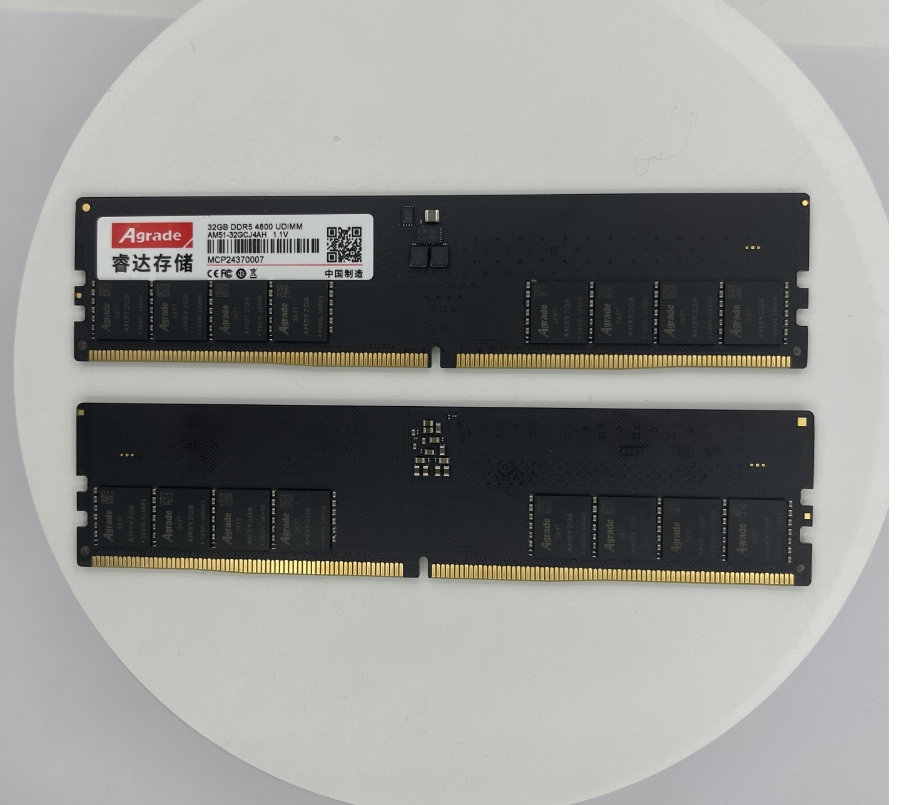
On the other hand, DDR5 desktop computer memory modules represent the latest generation of memory technology, offering significant improvements in speed, bandwidth, and capacity. DDR5 modules can reach clock speeds of up to 8400MHz in extreme cases, with standard models starting at 4800MHz—nearly 50% faster than the average DDR4 module. This increased speed translates to higher bandwidth, which is ideal for memory-intensive tasks like 4K video editing, 3D rendering, gaming at 4K or 8K resolution, and running virtual machines. They also support higher capacities, with single modules available in 32GB and 64GB options, allowing for total system memory configurations of up to 256GB on compatible motherboards. This makes DDR5 perfect for future-proofing high-performance systems that will handle demanding applications for years to come.
However, DDR5 memory modules come with a few drawbacks that users should consider. They are significantly more expensive than DDR4 modules—often costing 30-50% more for equivalent capacities—due to their newer technology and lower production volumes. Compatibility is another limitation: DDR5 only works with newer motherboards and CPUs that feature DDR5 DIMM slots, such as Intel’s 12th generation and later processors, and AMD’s Ryzen 7000 series and beyond. Additionally, early DDR5 modules may have higher latency than high-end DDR4 modules, though this gap is narrowing with technological advancements and optimized firmware. For users building a new high-performance system and planning to keep it for 3-5 years, DDR5 is worth the investment for its future-proofing and performance benefits. For budget-conscious users or those upgrading older systems that only support DDR4, DDR4 remains a reliable, cost-effective option that will meet most everyday and gaming needs.

-
Products
Advantages
-
Solutions
-
News
About us
-
Contact us
Tel:+86 19926658803
Whatsapp:+86 19926658803
lianle1210@163.com
Address: 30CF, Caihong Building, Caihong Road, Futian District, Shenzhen City, Guangdong Province, China



Friendly Links:
